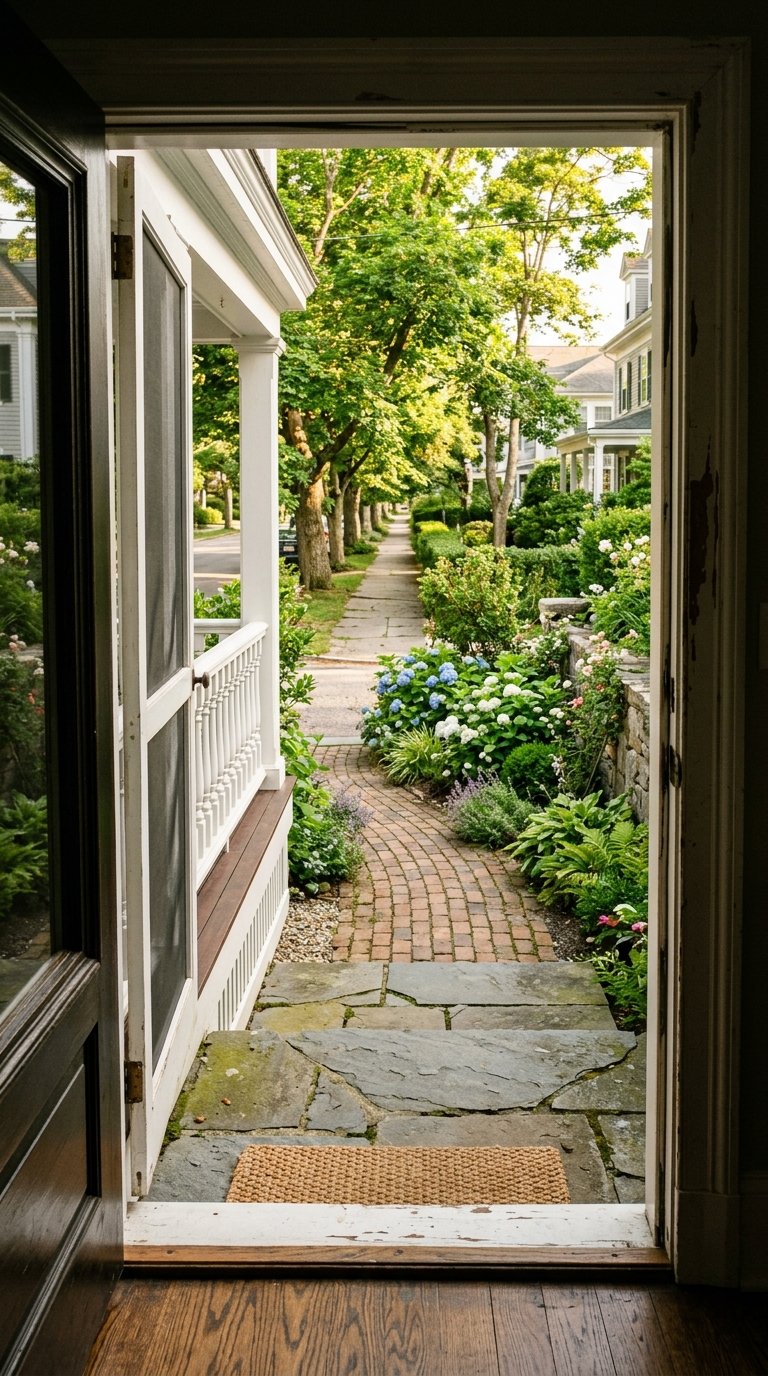
If your day-to-day routine shapes where you want to live, this is the question worth asking before you fall for a listing. In Annapolis, West Annapolis and Downtown offer two very different rhythms, even though they sit close to each other. One leans toward steady neighborhood calm, while the other brings you right into the center of waterfront activity. Let’s dive in.
Why routine matters most
When you compare neighborhoods, it helps to think beyond square footage or finishes. The better question is how a place supports your mornings, your errands, your evenings, and your weekends.
In this case, the contrast is clear. Downtown Annapolis is centered on walkable energy, while West Annapolis reads more like a village-style neighborhood with a quieter residential base and a smaller commercial core.
Downtown Annapolis at a glance
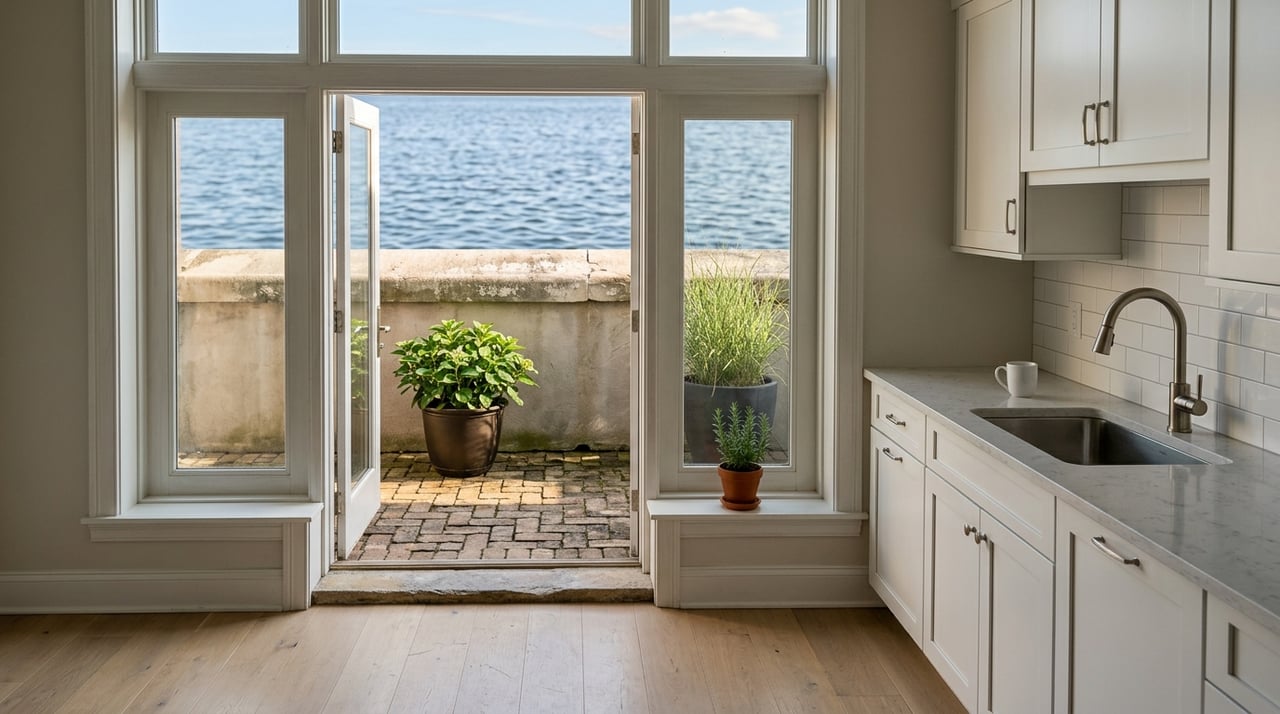
Downtown Annapolis is the city’s most active urban setting. The area around Main Street and City Dock is known for busy sidewalks, a dense mix of restaurants, shops, bars, galleries, and regular harbor activity.
If you like the idea of stepping out for coffee, dinner, events, or a waterfront stroll without much planning, Downtown naturally supports that routine. The area is designed around movement on foot and a steady flow of daily and seasonal activity.
What daily life feels like downtown
Downtown tends to suit people who want convenience built into the neighborhood itself. You can park once, then move through much of your day on foot, especially around Main Street, Maryland Avenue, State Circle, and Dock Street.
The city also supports that pattern with garages, lots, meters, permits, and a free downtown trolley. That trolley connects key parking areas with the heart of the historic district, which helps if you want walkability after you arrive.
What to expect with parking
Parking downtown is its own system within the historic district. Premium Parking manages meters, monthly permits, residential on-street permits, garages, and lots.
That structure can work well if you are comfortable planning around it. At the same time, the city notes that loading-zone conflicts can affect customer parking and create traffic and safety issues during the busiest parts of the day, so your routine may feel a little more dynamic in peak periods.
Shopping, dining, and weekends
Downtown has the strongest concentration of shopping and dining activity in Annapolis. Main Street and City Dock bring together boutiques, cafés, specialty shops, galleries, bars, and waterfront restaurants in one compact area.
Weekend life is also more event-driven here. Major waterfront events, including the spring sailboat show, Fourth of July celebrations, parades, and water tours, reinforce Downtown’s destination feel.
West Annapolis at a glance
West Annapolis offers a different pace. City planning documents describe it as a distinct commercial area that should preserve a village-center identity while remaining a transition between quieter residential streets and a small commercial district.
That matters if you want a neighborhood that feels grounded and close-knit, but still connected to the rest of Annapolis. West Annapolis gives you nearby shops and services without placing you in the middle of the city’s busiest visitor zones.
What daily life feels like in West Annapolis
West Annapolis tends to fit routines that start from a more residential setting. The area includes a school, residential parking needs, local businesses, restaurants, medical facilities, and a boat ramp, which signals a neighborhood used by both residents and visitors.
The result is a more layered daily rhythm. You still have a commercial core nearby, but the surrounding pattern is more clearly residential than Downtown.
Why driving may feel easier
If your routine includes getting in and out of Annapolis by car, West Annapolis may feel more natural. The city describes Upper West Street as a strategic commercial artery because of its proximity to Routes 2 and 50.
That does not make West Annapolis car-dependent, but it does suggest a practical advantage for regional access. Transit is part of the picture too, with city buses serving West Street and Church Circle.
Shopping, services, and community events
West Annapolis is smaller in scale, but still active in a neighborhood-serving way. The area includes colorful boutiques, antique stores, upscale services, and a notable concentration of professional and healthcare offices on side streets.
It also has a strong community-event pattern. Local organizations note year-round neighborhood events, including traditions such as Oktoberfest and the annual Clydesdale visit, which adds a recurring local rhythm without the larger event intensity of Downtown.
Housing and neighborhood form
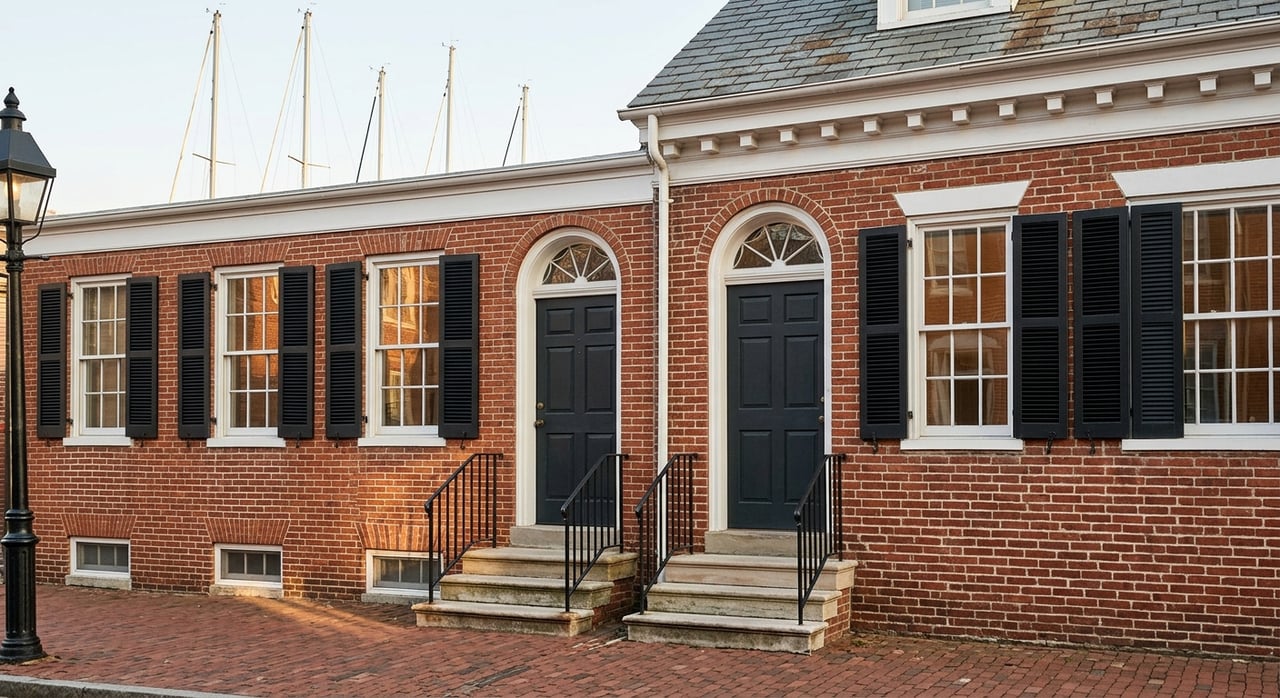
The built environment also shapes how each area feels. In the Annapolis Historic District, zoning includes a mix of single-family, general-family, conservation business, professional office, and mixed-use districts, and city preservation guidance describes the area as pedestrian-oriented with historic storefronts and detached dwellings.
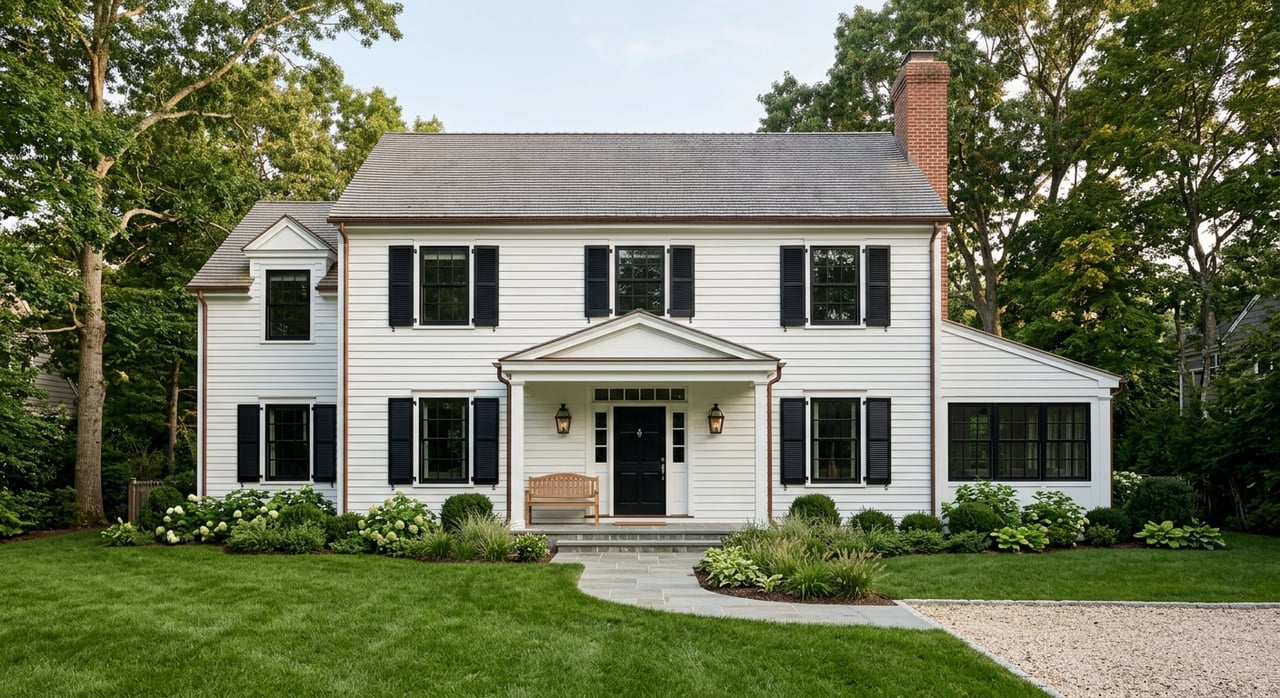
West Annapolis is more explicitly single-family in character in its residential sections. City planning notes that much of the neighborhood is in an R1-A single-family residence district, though some areas also include apartments and convenience-shopping zoning that remains visually residential.
What that means for buyers
If you are drawn to historic in-town living and a mixed-use setting, Downtown offers that layered environment more clearly. It blends homes, storefronts, offices, and public activity in a compact, walkable setting.
If you prefer a quieter home base with a neighborhood-scale main street feel, West Annapolis may align better. The city’s 2021 West Annapolis Master Plan supports preserving that quaint village center while encouraging pedestrian-friendly mixed-use growth, including residential above retail in the village main street area.
Which neighborhood fits your routine?
There is no universal winner here. The right fit depends on how you want your normal day to feel.
Choose Downtown if you want:
- Walkable access to coffee, dinner, shops, and waterfront activity
- A built-in social and event-driven atmosphere
- A historic district setting with mixed-use character
- A routine that works well with garages, parking systems, and the downtown trolley
Choose West Annapolis if you want:
- A quieter residential base
- A smaller, neighborhood-serving business district nearby
- Easier drive-out access to regional routes
- Community events and local activity without the same level of visitor traffic
A quick side-by-side view
| Feature | Downtown Annapolis | West Annapolis |
|---|---|---|
| Overall feel | Walkable, active, destination-oriented | Village-like, quieter, residential-leaning |
| Daily rhythm | Restaurants, shops, harbor activity, events | Neighborhood errands, local services, community feel |
| Parking pattern | Garages, lots, meters, permits, trolley support | City-managed parking outside historic district, mixed local demand |
| Car access | Less centered on quick drive-out convenience | Closer connection to Routes 2 and 50 |
| Commercial character | Dense and waterfront-focused | Smaller-scale and neighborhood-serving |
| Housing pattern | Mixed-use historic district | More single-family residential character |
For buyers weighing lifestyle first
If you are buying in Annapolis for lifestyle, this comparison matters as much as the home itself. A beautiful property can still feel wrong if the surrounding routine does not match how you actually live.
That is especially true in neighborhoods as distinct as these. Downtown and West Annapolis are close on a map, but they deliver very different day-to-day experiences.
For sellers positioning a home well
If you are preparing to sell, understanding this routine-based contrast can also help you market your property more effectively. Buyers are often responding not just to the house, but to the pace and shape of life around it.
A Downtown home may resonate with buyers focused on walkability, waterfront access, and activity. A West Annapolis property may appeal to buyers looking for residential calm, neighborhood identity, and practical access to the broader region.
Whether you are buying or preparing to sell, the right guidance starts with understanding how each micro-location lives on a daily basis. If you want clear, neighborhood-level insight on where your next move fits best, connect with Liz Dooner for thoughtful, tailored guidance in Annapolis.
FAQs
Is West Annapolis quieter than Downtown Annapolis?
- Yes. Based on city planning descriptions, West Annapolis has a more residential, village-center character, while Downtown is more active and event-oriented.
Is Downtown Annapolis more walkable for daily errands and dining?
- Yes. Downtown is described as highly walkable, with concentrated restaurants, shops, galleries, and waterfront activity around Main Street and City Dock.
Does West Annapolis have easier access for drivers?
- In general, yes. The city describes Upper West Street as a strategic commercial artery because of its proximity to Routes 2 and 50, which supports easier regional car access.
Are there community events in West Annapolis?
- Yes. Local organizations note year-round community events, including Oktoberfest and the annual Clydesdale visit.
Is Downtown Annapolis better for people who want an active social setting?
- It can be a strong fit if you want built-in activity. Downtown has the highest concentration of restaurants, shops, bars, galleries, waterfront events, and visitor activity.
Do West Annapolis and Downtown have different housing patterns?
- Yes. Downtown includes a more mixed-use historic district pattern, while West Annapolis is more explicitly single-family in many residential sections, with some apartment and neighborhood commercial areas.