Wondering whether a historic Annapolis home or a newer luxury property holds the stronger edge right now? In this market, the answer depends less on price alone and more on what buyers are truly paying for: rarity, walkability, water access, and ease of ownership. If you are buying, selling, or simply tracking the high-end market in Annapolis, understanding that split can help you make a smarter move. Let’s dive in.
Annapolis Luxury Has Its Own Rules
Annapolis does not behave like a typical luxury market. The city combines a nationally recognized historic core with a waterfront setting that includes 18 miles of shoreline along the Severn River and its tributaries. That mix creates a small, highly specific pool of luxury properties where setting and property type matter as much as square footage.
The broader market has remained relatively tight. Public spring 2026 snapshots show an average Annapolis home value of $611,566, with homes going pending in about 12 days on one major platform, while another market snapshot reported 420 homes for sale, a median of 26 days on market, and a 100% sale-to-list ratio in March 2026. At the luxury level, homes above $1 million averaged $1,637,559 with 145 sales and 17 average days on market in the Greater Annapolis area, while waterfront homes averaged $1,728,923 with 88 sales and 40 average days on market.
That tells you something important. Luxury inventory can still move quickly, but buyers tend to be more selective, especially when comparing historic in-town homes with newer or recently built alternatives.
Historic Luxury Wins on Scarcity
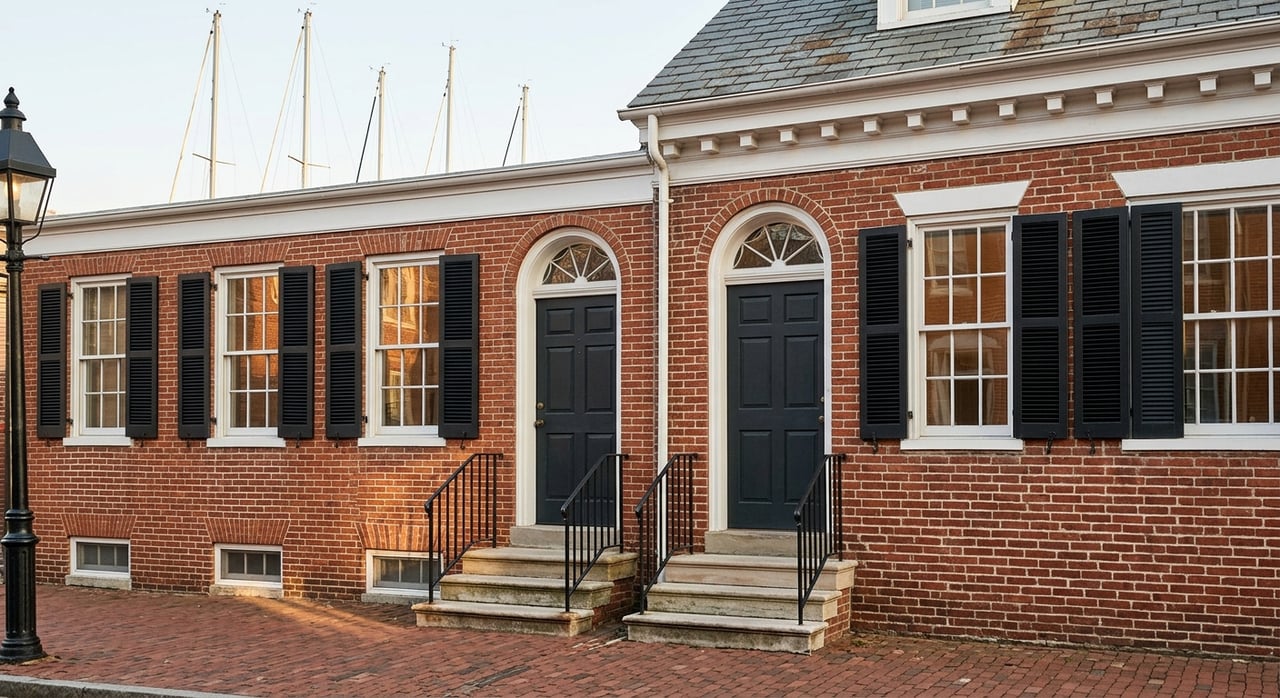
In historic Annapolis, scarcity is part of the value story. These homes are tied to a setting that cannot be recreated, especially near City Dock, Maryland Avenue, and the harbor. When architectural character, updated interiors, and a prime in-town location come together, pricing can rise quickly.
There is also a regulatory layer that shapes the market. The City of Annapolis Historic Preservation Division reviews exterior changes in the historic district, and the Historic Preservation Commission reviews a wide range of exterior work, including roofs, windows, porches, railings, landscaping, renovations, and new construction. For owners, that can mean added process and planning, but it also supports preservation and long-term value.
In the 21401 ZIP code, which includes the historic core, public March 2026 market data showed 194 listings, a median listing price of $695,000, a median 25 days on market, and a 99% sale-to-list ratio. In luxury terms, individual sales show how much buyers will pay when location and character align. For example, 168 Green Street sold for $1,098,000 after a marketing period of about four months, with listing remarks highlighting original fireplaces, hardwood floors, and renovated interiors.
Another example, 237 Hanover Street, sold for $1,212,500 and was marketed around its close access to Maryland Avenue and City Dock. At the ultra-luxury end, 17 Revell Street sold for $11.25 million in August 2025, with rare features that included 260 feet of waterfrontage and a private pier designed for large boats. That sale is a reminder that in historic Annapolis, a one-of-a-kind location can push pricing into a category of its own.
What Historic Buyers Usually Value
Historic luxury buyers are often drawn to a specific experience of Annapolis. They tend to respond to details that newer homes cannot easily replicate, including:
- Original architectural character
- Walkability to downtown destinations
- Private courtyards or tucked-away in-town settings
- Waterfront access in rare historic locations
- Renovated interiors that preserve period appeal
For sellers, this means presentation and documentation matter. Buyers in this segment are often weighing future maintenance, system updates, and whether prior exterior changes were handled within local preservation guidelines.
New Builds Compete on Convenience
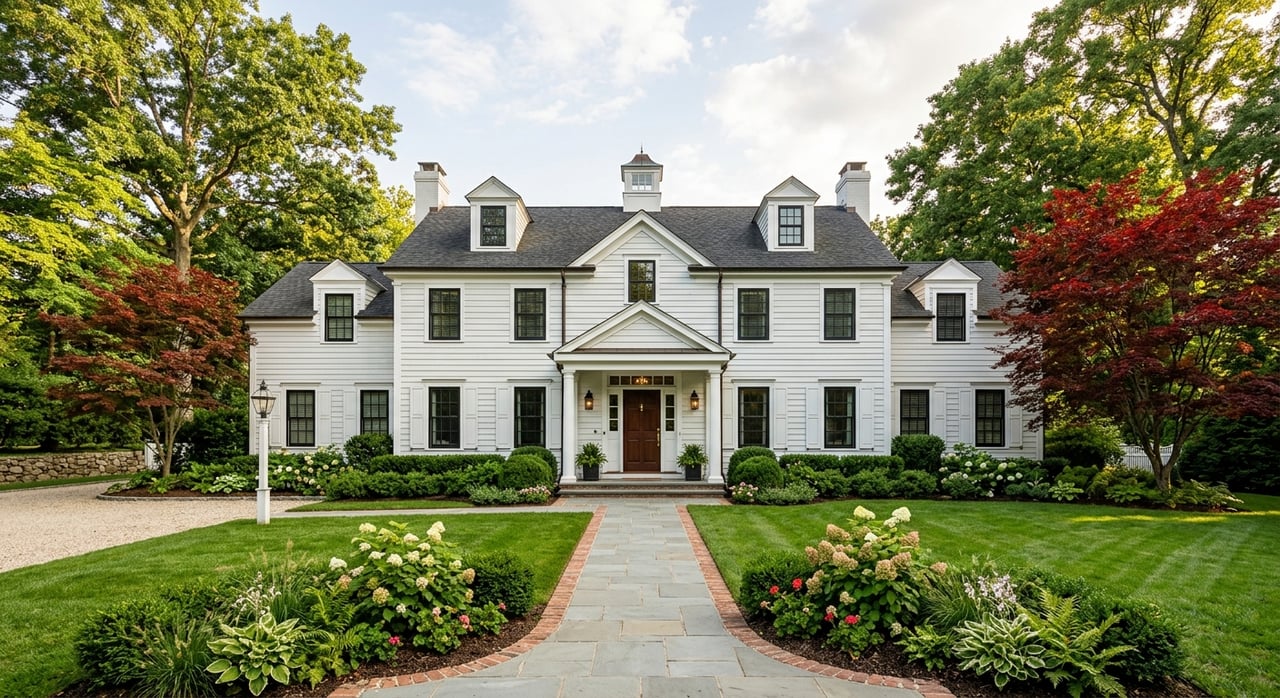
New construction in Annapolis tends to appeal for a different reason: ease. Buyers who prefer newer homes are often prioritizing turnkey condition, modern layouts, and fewer near-term maintenance projects. In a luxury setting, they may also be looking for features that are harder to find in older homes, such as larger garages, elevators, or more open interior flow.
The challenge is that true new-construction inventory in Annapolis is limited. One public snapshot showed 18 new-construction homes on the market, with a median listing price of $609,000 and a typical market time of 31 days. In other words, buyers can find new homes, but the pool is small, and performance varies widely based on location, finish level, and pricing.
Eastport offers a good example of that contrast. A 2026 ground-up home at 912 Windsor Avenue was listed at $2.05 million, offered 3,029 square feet with five bedrooms and 4.5 baths, and had only five days on market when captured. Meanwhile, another 2026 Eastport home at 148 Jefferson Street was listed at $899,000 and had been on the market for 62 days with a price reduction.
Those two listings show a simple truth. Newness alone is not enough. Buyers still measure a property against its exact block, utility, finish quality, and how well the asking price matches expectations.
What Newer-Home Buyers Usually Value
In Annapolis, buyers considering newer luxury homes are often looking for:
- Move-in-ready condition
- Updated systems and lower near-term upkeep
- Modern kitchens and baths
- Open layouts for everyday living and entertaining
- Amenity-rich settings near the water
That can make newer homes especially appealing to second-home buyers, busy professionals, or anyone who wants a smoother ownership experience from day one.
Waterfront Newer Homes Carry Their Own Premium
If you move beyond downtown and into the waterfront market, newer luxury homes can command major premiums. Here, buyers are not comparing only style or age. They are also looking closely at dock utility, shoreline characteristics, and whether the home offers immediate lifestyle use without a long renovation list.
A recent example is 1787 Beachfield Road in 21409. Built in 2016 and positioned on Whitehall Creek with a private deep-water pier, it sold for $3.44 million on May 5, 2026 after being listed just over a month earlier on April 3, 2026. That sale reflects how strongly buyers can respond to newer waterfront product when water access and modern livability come together.
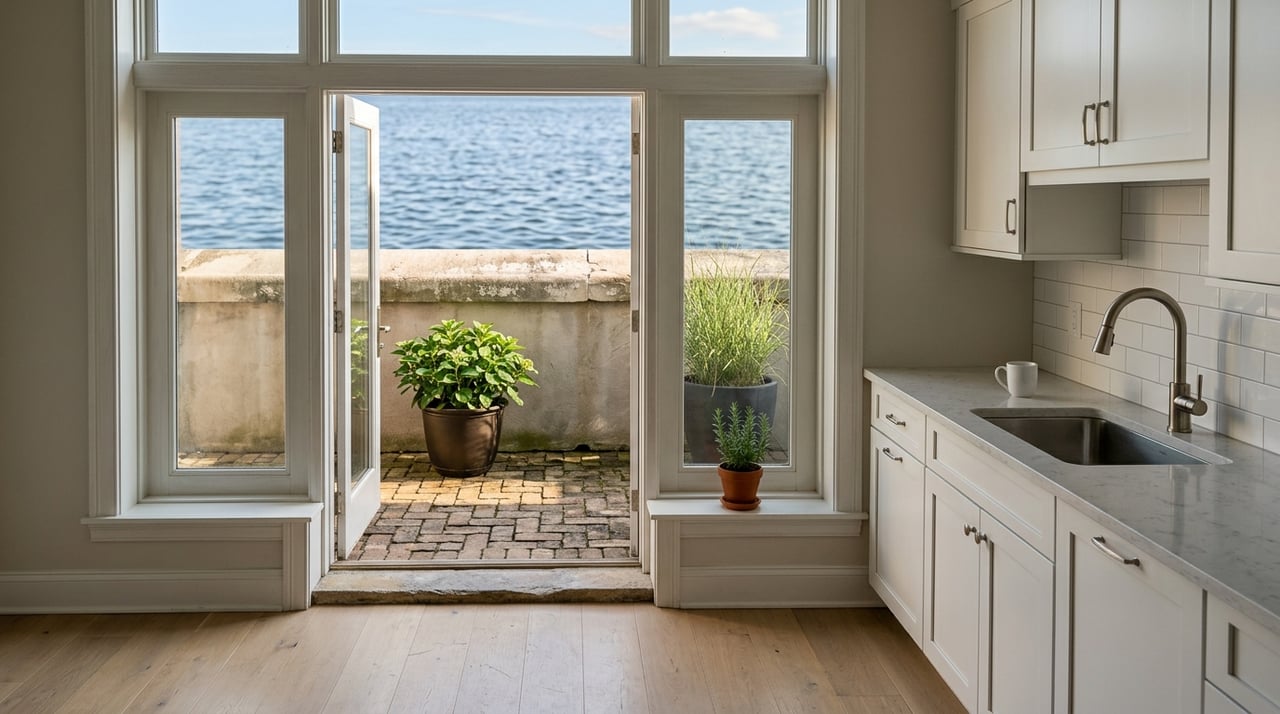
Some buyers are also drawn to amenity-based waterfront living. A public Chesapeake Harbour listing described features such as a private dock and pier, community beach, waterfront pools, tennis and pickleball courts, kayak storage, a marina, and a waterfront café or restaurant. For the right buyer, that kind of setting offers a lower-friction way to enjoy the Annapolis waterfront lifestyle.
At the upper end of the waterfront market, pricing is often shaped by details that go far beyond finishes. Public local reporting notes that water depth, shoreline exposure, and neighborhood exclusivity can heavily influence value, with top-tier deep-water estates and turnkey residences often exceeding $8 million to $15 million. That is why newer waterfront homes are often judged by performance as much as appearance.
Historic Vs. New Builds: The Real Trade-Off
The key takeaway is that historic homes and new builds are not competing on equal terms in Annapolis. Each serves a different buyer mindset, and each asks buyers to prioritize a different form of value.
Historic homes tend to compete on story, setting, and scarcity. Buyers may accept more upkeep or a more involved approval process because they want the charm of a period property and the ability to live close to the harbor and downtown streetscapes. These homes often feel personal and irreplaceable.
Newer homes tend to compete on comfort, efficiency, and ease. Buyers may be willing to give up some historic charm in exchange for modern systems, easier maintenance, and layouts that better fit current lifestyles. In waterfront settings, they may also place a premium on immediate dock use and turnkey enjoyment.
Here is the clearest way to think about it:
| Property Type | Main Value Driver | Typical Buyer Priority |
|---|---|---|
| Historic in-town luxury | Rarity, character, walkability | Lifestyle, architecture, downtown access |
| New construction or newer luxury | Turnkey livability, modern features | Convenience, lower maintenance, ease of ownership |
| Newer waterfront luxury | Water access plus modern systems | Dock utility, move-in readiness, lifestyle use |
What Sellers Should Watch in 2026
If you are selling a historic luxury home, buyers are likely to look closely at condition, updates, and records tied to exterior work. The more clearly you can show the home’s maintenance story and improvement history, the easier it is for buyers to understand the value behind the asking price. In a category where charm is expected, clarity reduces friction.
If you are selling a newer home, your pricing has to be precise. Buyers may love modern finishes, but they are still comparing location, lot utility, water access, and overall quality. In this segment, a home that feels turnkey and well-positioned can move quickly, while one that feels misaligned on price may sit longer.
In both cases, presentation plays a major role. In a market like Annapolis, where buyers are often choosing between emotion and convenience, the strongest listings are the ones that tell a clear story from the start.
What Buyers Should Watch in 2026
If you are buying in Annapolis, start by deciding what trade-off matters most to you. If you want an in-town experience with historic character and close access to downtown, you may be competing for a smaller pool of homes that carry both charm and complexity. If you want a more turnkey purchase, newer homes may offer an easier path, but the best ones still command strong attention.
It also helps to think beyond the headline price. In historic properties, your ownership experience may include more maintenance planning and stricter review for exterior changes. In newer waterfront homes, the real question may be whether the dock, exposure, and layout support the way you want to use the property.
Annapolis luxury is nuanced, and that is exactly why local context matters. The right choice is usually the one that best matches how you want to live, not just what looks best on paper.
Whether you are weighing a historic in-town sale, preparing a waterfront property for market, or searching for the right luxury fit, working with a local specialist can help you read the details behind the headlines. If you want tailored guidance on the Annapolis luxury market, connect with Liz Dooner.
FAQs
What defines a historic luxury home in Annapolis?
- In Annapolis, a historic luxury home is typically valued for architectural character, rarity, and location near downtown and the waterfront, and exterior changes in the historic district may be subject to local preservation review.
Are new construction homes common in Annapolis?
- No, public market snapshots show that new-construction inventory in Annapolis is relatively limited, which can make well-located newer homes stand out.
Why do historic Annapolis homes often command premium prices?
- Historic homes can command premium prices because buyers may pay more for walkability, preserved character, and locations that are difficult to replicate, especially near City Dock and the harbor.
What makes newer waterfront homes valuable in Annapolis?
- Newer waterfront homes often gain value from the combination of modern systems, move-in-ready condition, private pier access, and water-related features such as depth and shoreline utility.
Should sellers price historic and newer homes differently in Annapolis?
- Yes, because historic homes and newer homes appeal to different buyer priorities, pricing should reflect each property’s condition, location, ownership costs, and the kind of lifestyle value it offers.