If you want a top-tier sale in Annapolis, your home needs to do more than look clean. It needs to tell a clear story the moment a buyer sees it online and again when they walk through the door. In a market shaped by historic character, waterfront views, and design-conscious buyers, smart staging can help your home feel more memorable, more polished, and more valuable. Let’s dive in.
Why staging matters in Annapolis
Staging is not just about decorating. It is the process of cleaning, editing, and arranging a home so buyers can picture themselves living there.
That matters because buyers respond strongly to presentation. In the National Association of Realtors 2025 staging research, 83% of buyers’ agents said staging made it easier for buyers to visualize a property as their future home. Sellers’ agents also reported that staging often increased the dollar value offered, with many seeing gains in the 1% to 5% or 6% to 10% range.
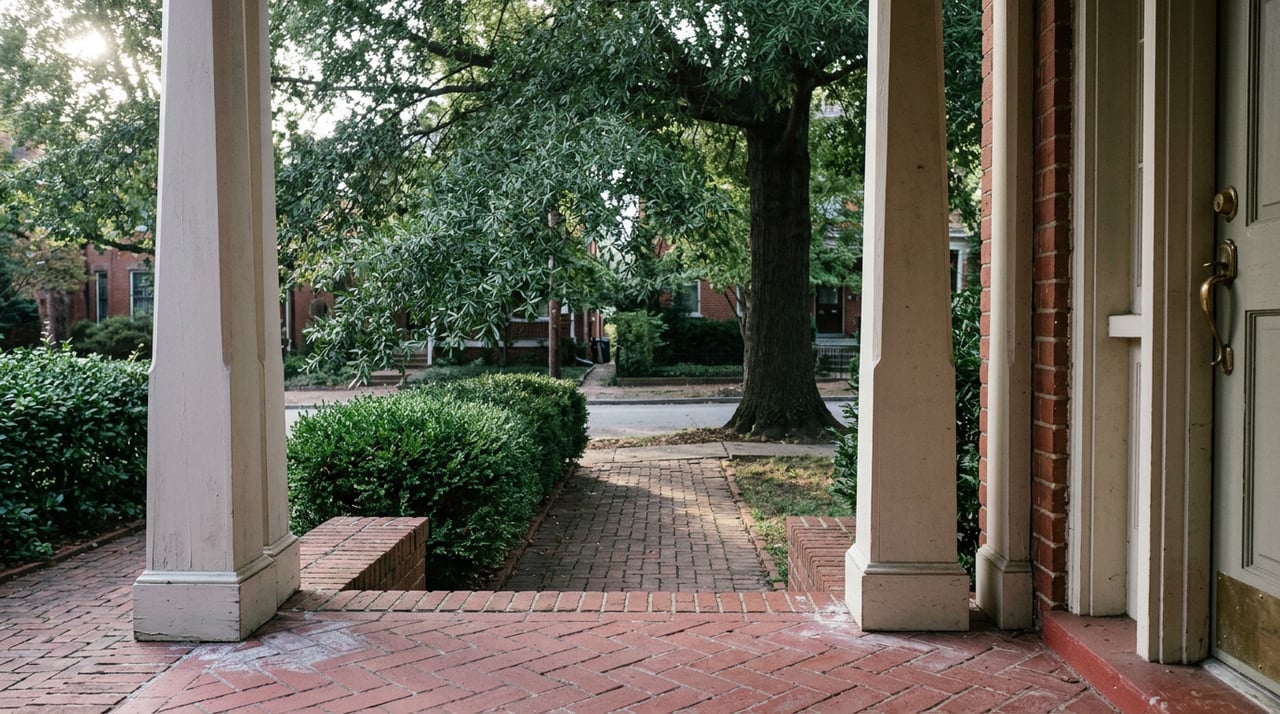
In Annapolis, staging carries even more weight because so much of the market is visual. The City of Annapolis describes downtown as a one-square-mile National Historic Landmark with historic homes, brick streets, a harbor, and a dense historic core. That means buyers are often drawn as much to character and setting as they are to square footage.
Online first impressions drive interest
Before most buyers ever book a showing, they see your home online. According to NAR, nearly half of buyers start their home search online, and 81% rate listing photos as the most useful feature during that search.
That is why staging and photography work together. A beautifully staged room can feel open, bright, and compelling in photos, while a cluttered or poorly arranged space can look smaller and less inviting on screen.
NAR also found that 41% of buyers considered photos very useful, 39% valued detailed property information, and 31% appreciated floor plans. In other words, your listing launch needs to be visually strong from day one.
What Annapolis buyers tend to notice
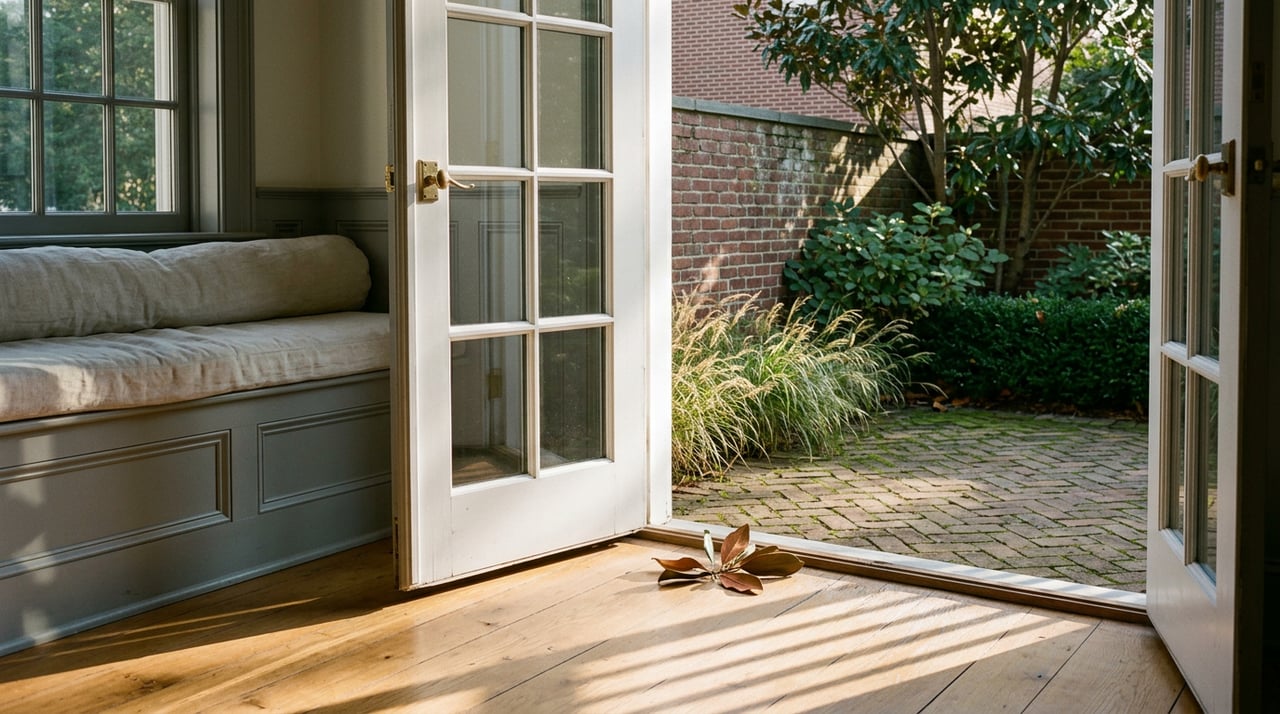
In Annapolis, your home may already have features buyers want. Historic millwork, original floors, fireplaces, staircases, brick details, porches, and water-facing sightlines can all help create an emotional connection.
The key is to stage around those features, not compete with them. In historic or waterfront homes, buyers often remember the sense of place just as much as the rooms themselves.
That approach aligns with local context. The city’s Historic Preservation Division reviews exterior changes in the Annapolis Historic District, and the city’s Historic District Design Manual emphasizes respect for traditional views, visual focal points, and historic character, including visibility from the water.
Start with a clean, edited backdrop
Before you add styling touches, handle the basics. NAR’s consumer guide to preparing a home for sale recommends cleaning windows, carpets, lighting fixtures, and walls, removing personal items, decluttering, and improving curb appeal.
This step matters more than many sellers expect. Clean surfaces and open space help buyers focus on the home itself instead of your belongings or deferred maintenance.
If your home has strong architectural detail, an edited backdrop allows those details to lead. In Annapolis, that can mean letting old wood floors, built-ins, trim, paneled doors, or a water view become the focal point.
Use neutral styling to highlight character
A neutral palette does not mean a home should feel bland. It means the staging should support the architecture rather than pull attention away from it.
NAR’s field guide to preparing and staging a house for sale recommends neutrals because they help create a calm, versatile setting. In Annapolis, that often works especially well in homes with historic texture or coastal light.
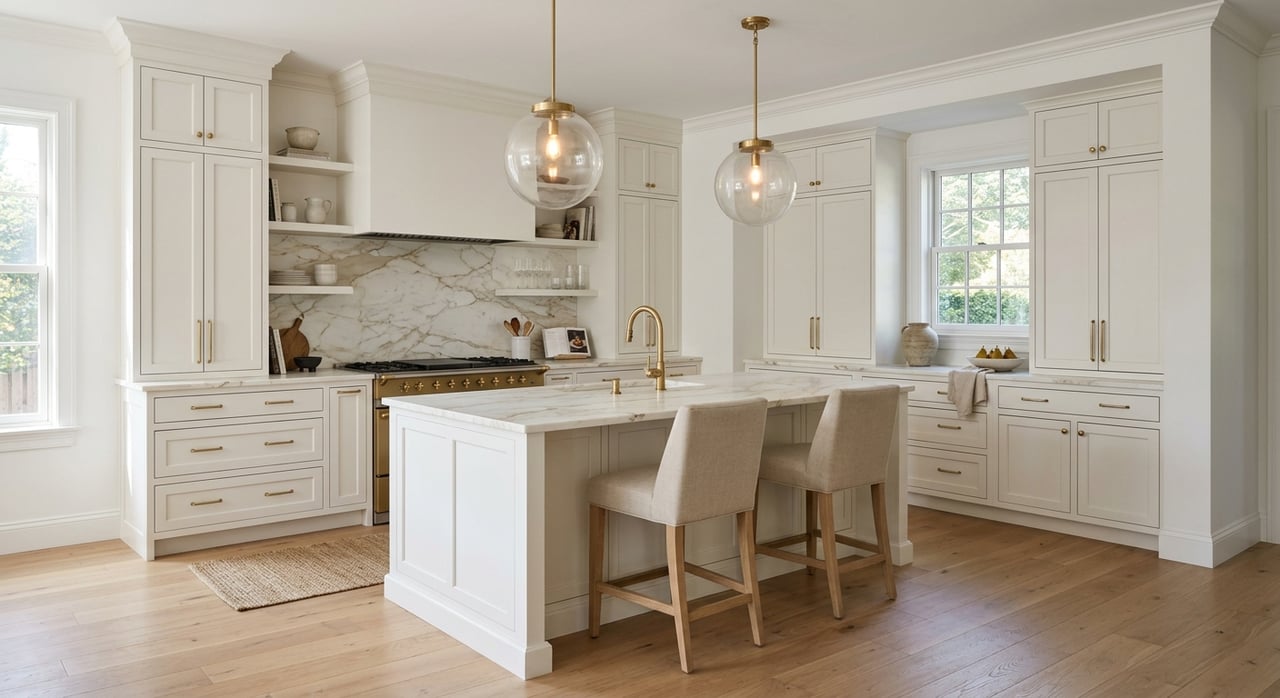
Think of staging as visual editing. Soft linens, simple accessories, pared-back furniture, and a few touches of greenery can make a room feel finished while still keeping the focus on original details and natural light.
Prioritize the rooms with the biggest impact
You do not have to stage every room to make a difference. If time or budget is limited, focus first on the spaces buyers notice most.
According to the same 2025 NAR staging data, the rooms most often staged are:
- Living room
- Primary bedroom
- Dining room
- Kitchen
These rooms usually shape a buyer’s overall impression of the home. If they feel bright, functional, and inviting, the rest of the property tends to benefit.
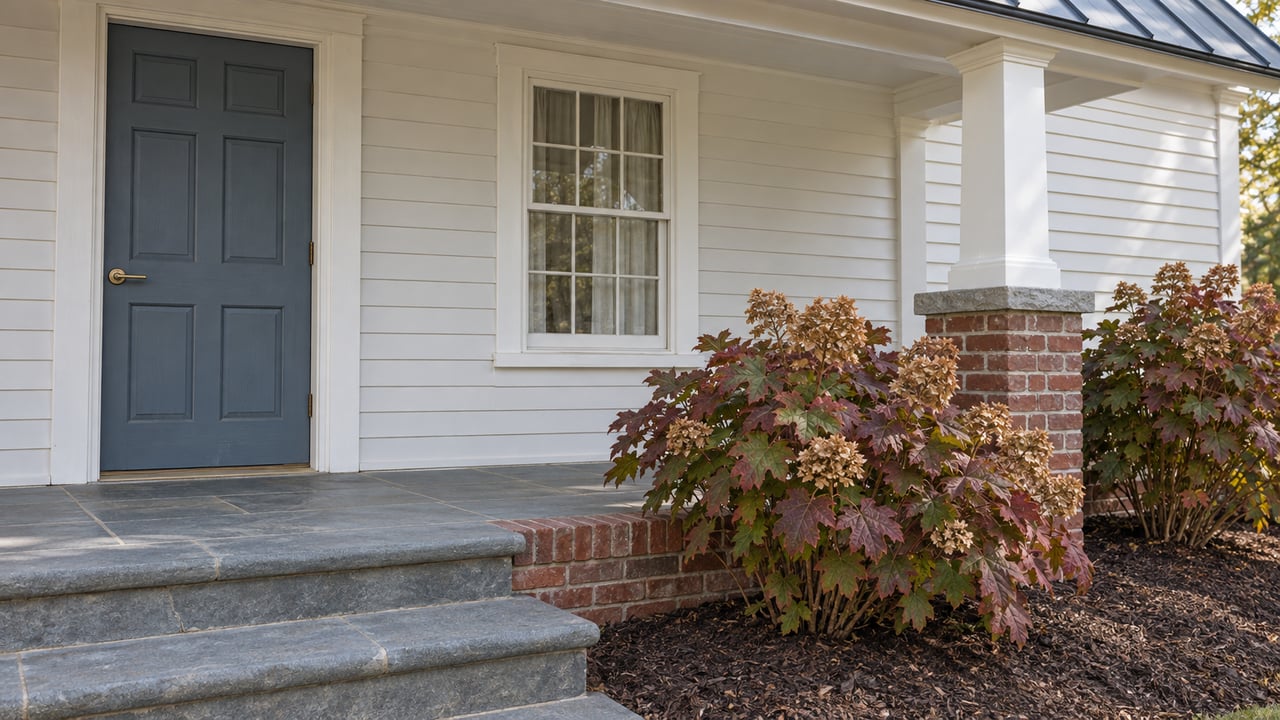
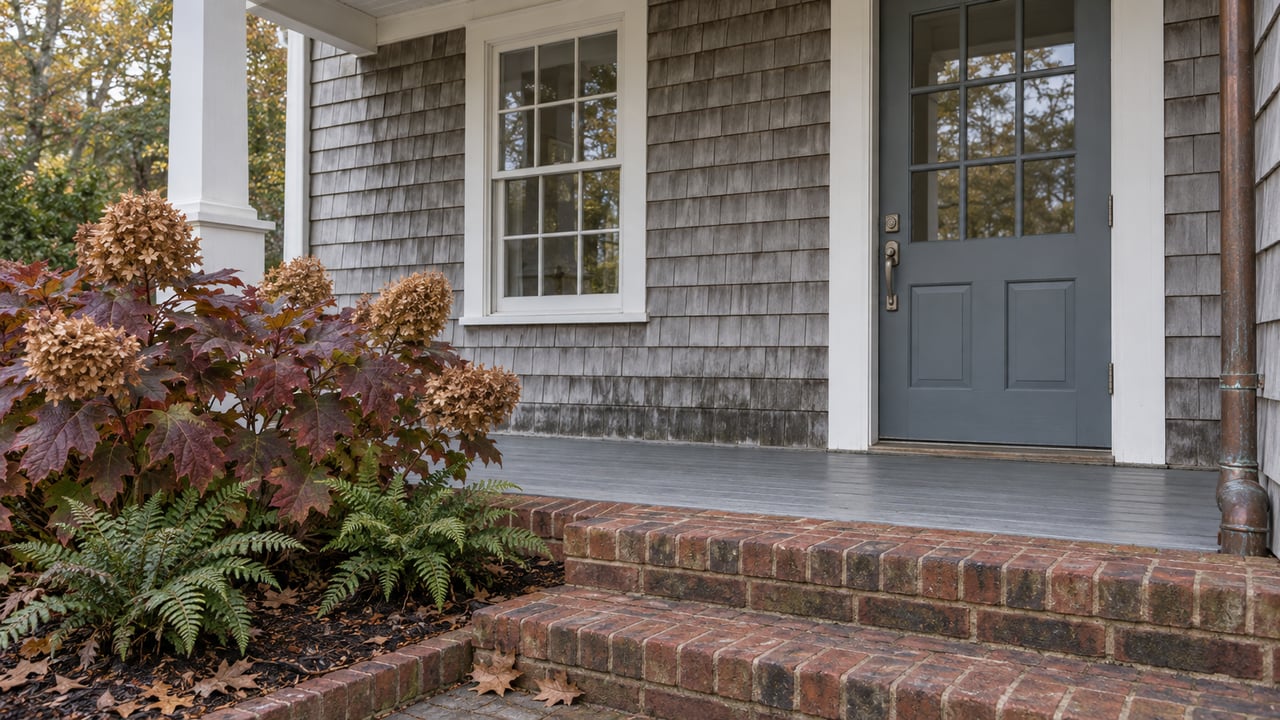
For Annapolis sellers, outdoor spaces may also deserve extra attention. Porches, patios, decks, and yards can carry real value in a waterfront or walkable in-town setting, even if they are staged less often overall.
Prep your home for the camera
A home that looks good in person may still need extra editing before a photo shoot. Cameras can exaggerate clutter, awkward furniture placement, and dark corners.
NAR’s photo shoot preparation guidance recommends opening blinds, removing refrigerator magnets and distracting art, paring down furniture, using simple accessories, and taking practice photos before the professional photographer arrives.
It is also smart to think about flow from room to room. Buyers scrolling online will experience your home as a sequence of images, so every frame should feel consistent, bright, and intentional.
Stage first, photograph second, launch third
The order of operations matters. If you photograph before the home is fully ready, you lose momentum at the exact moment your listing needs to make its strongest impression.
NAR advises agents to treat the online listing with the same care as an open house and notes that the first few days online carry extra weight. That means your staging, photos, video, and listing description should all be aligned before launch.
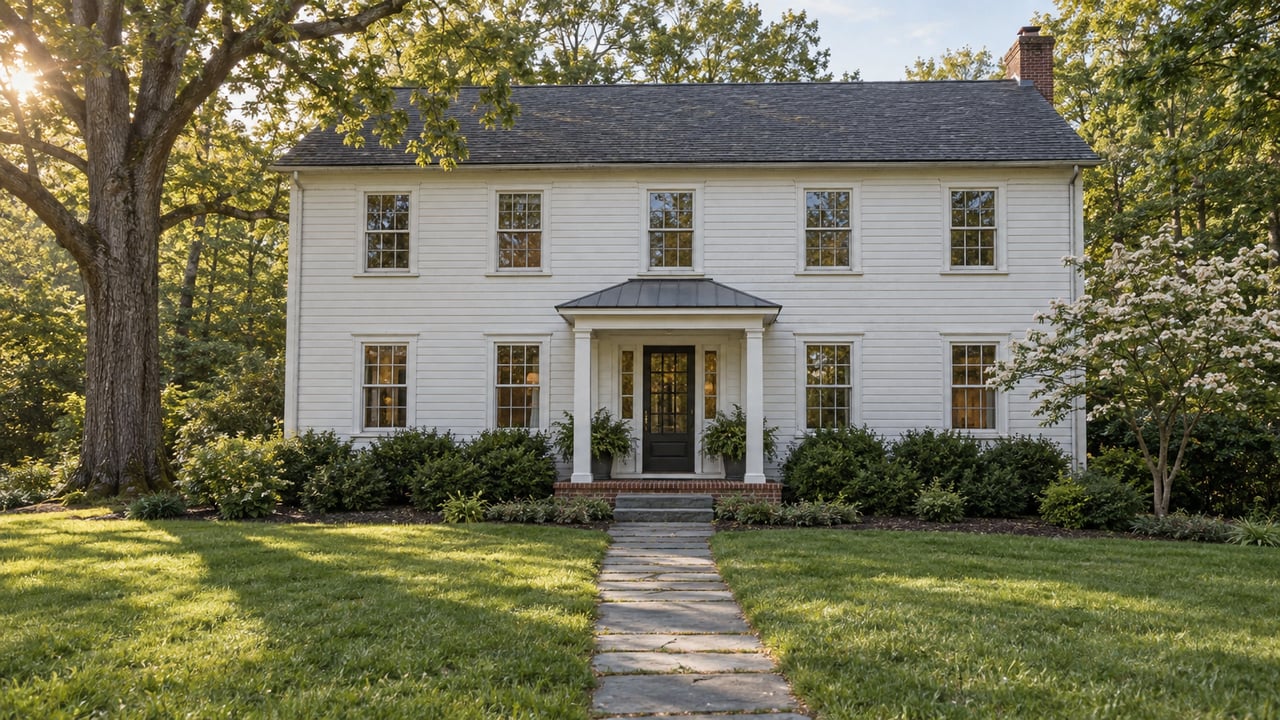
Professional photos should show key rooms, strong light, outdoor space, and standout features. NAR also notes that dusk photography, sometimes called magic hour, can be especially effective for the right property, particularly when exterior lighting, water, or setting contribute to the home’s appeal.
Consider the right visual tools
For some Annapolis homes, especially waterfront or view-driven properties, still photography may not tell the full story. Video and aerial imagery can add helpful context.
According to NAR’s guidance on drones, drone photography can highlight landscape, outdoor features, location, and surrounding views, provided the work complies with FAA and local regulations. For a property near the harbor, shoreline, or marina, those visuals can help buyers understand setting and orientation more clearly.
This is where a design-led marketing plan becomes valuable. The goal is not to add every possible asset. It is to choose the right assets to show why your home is distinct.
Historic homes need thoughtful handling
If your property is located in the Annapolis Historic District, be careful with any exterior work before listing. The city reviews exterior changes, so visible repairs or alterations should be checked against local preservation guidance before work begins.
That does not mean selling a historic home has to feel complicated. It simply means your preparation plan should respect both marketability and local rules.
Inside the home, staging should feel light-handed. Historic homes usually benefit from restraint, especially when they already offer details buyers want to see.
Coordinate the process for a smoother sale
The easiest staging process usually starts with a clear plan. NAR’s consumer guidance notes that a REALTOR® can help guide sellers through preparation, and staging research shows that sellers’ agents who use staging services often compare bids, evaluate design quality, and sometimes include staging as part of the services they provide.
Annapolis also has a practical local resource base. The city notes that its Design District includes home design and showroom businesses, which can support furnishing, lighting, and finish-related needs tied to listing preparation.
For many sellers, especially busy or remote owners, coordinated preparation reduces stress. Instead of juggling photography, styling, timing, and launch details on your own, you benefit from a single strategy built around presentation and timing.
A polished presentation can change the outcome
Staging is not about making your home look generic. In Annapolis, it is about helping buyers see the best version of what is already there.
When your home is clean, edited, professionally photographed, and launched with intention, buyers can focus on what makes it special. That could be a harbor-facing porch, original millwork, better natural light than the competition, or simply a home that feels move-in ready from the first click.
If you are preparing to sell in Annapolis and want a design-forward plan tailored to your home, connect with Liz Dooner to request a complimentary home valuation.
FAQs
Do I need to stage every room before selling an Annapolis home?
- No. NAR guidance says you can focus on the rooms with the biggest buyer impact, especially bedrooms, living spaces, and bonus spaces when time or budget is limited.
Is virtual staging enough for an Annapolis listing?
- Virtual staging can help vacant or occupied homes online, but NAR notes that it is still a digital substitute for the in-person experience buyers have when they visit the home.
What rooms matter most when staging a home for sale in Annapolis?
- NAR’s staging data show that the living room, primary bedroom, dining room, and kitchen are the rooms most often staged and often deliver the strongest return in buyer impression.
Do historic Annapolis homes need special staging considerations?
- Yes. Historic homes usually benefit from neutral, restrained staging that highlights original details, and any exterior changes in the Annapolis Historic District should be checked against local preservation guidance.
Why does photography matter so much when selling an Annapolis home?
- Many buyers begin online, and NAR reports that listing photos are one of the most useful parts of the search process, so strong staging and professional photography help your home stand out early.