If you are scrolling new listings in Severna Park and wondering why some homes fly off the market while others linger, you are not alone. Days on Market, often called DOM, is one of the clearest clues to timing, pricing, and buyer demand. Understanding what DOM really measures, how relists work, and how to read the numbers in our local context can help you move with confidence. Here is a clear, practical guide tailored to Severna Park so you can make smart decisions. Let’s dive in.
Days on Market, defined
DOM tells you how long a property has been publicly for sale. It is a simple count, but the details matter.
- Listing DOM: the days a listing is active on the MLS.
- Cumulative DOM: the total days across multiple listing periods if a property is paused or relisted.
- Days to Contract: the days from first active date to a ratified contract.
Each metric describes a slightly different part of the story. When you compare properties, be sure you are looking at the same type of DOM.
How DOM is tracked locally
Bright MLS is the regional system that records listing activity for Severna Park. It logs listing start and stop dates, price changes, and relists. Public portals can display this history differently. Some show the full timeline, while others show the most recent listing date and label a relist as “new.”
What this means for you: a home can appear fresh on one website even if the MLS or another portal shows a longer history. If DOM affects your offer or pricing plan, ask for the full listing timeline in the MLS. Reviewing the actual start date, any pauses, and price changes gives you the real picture.
Why DOM matters in Severna Park
Severna Park sits at a crossroads for Baltimore–Annapolis commutes, with neighborhoods that range from established in‑town streets to water‑oriented communities. In this mix, two factors drive DOM more than anything else: pricing and presentation.
- Pricing: Homes priced at or slightly below what the market expects tend to attract the first wave of buyers and move more quickly. Overpriced homes often need multiple reductions and sit longer.
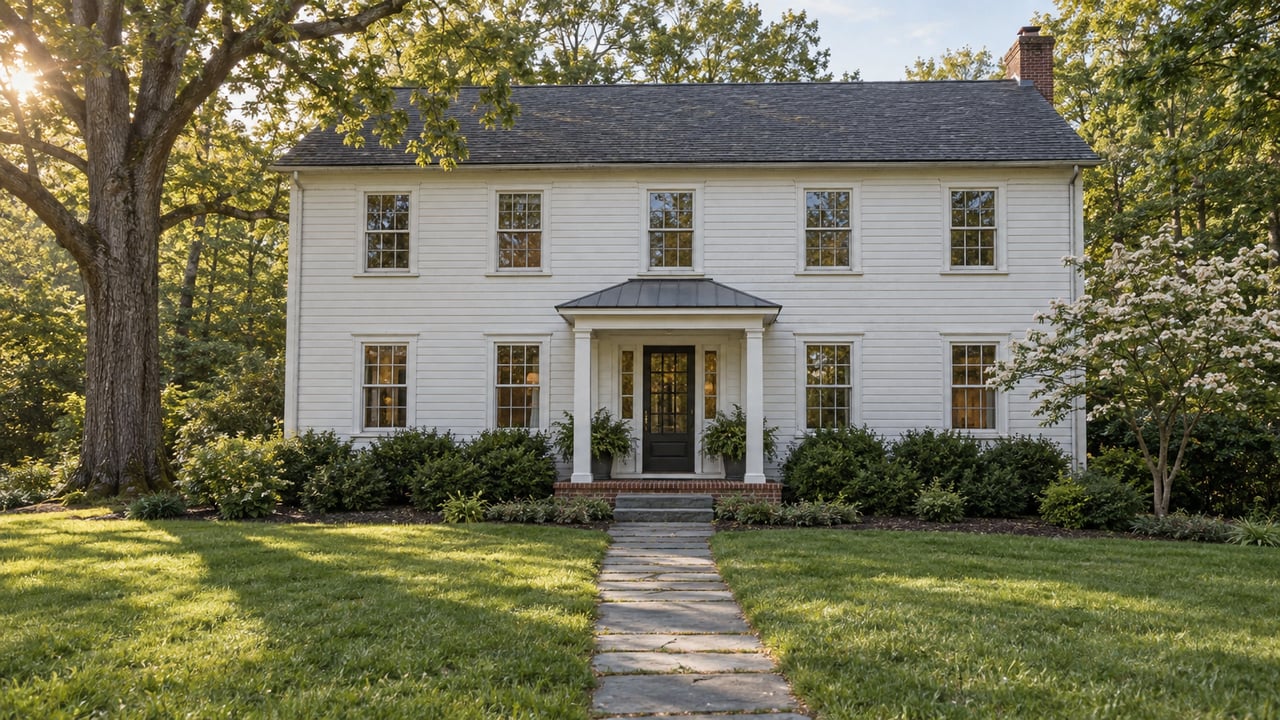
- Presentation: Professional photos, clear floor plans, strong descriptions, and tidy curb appeal increase showings and shorten time to contract. Move‑in ready homes usually sell faster than homes with visible deferred maintenance.
Local micro‑markets also play a role. Waterfront or highly specialized properties often have longer buyer search cycles. Seasonality matters too, as spring typically brings more activity. Keep these nuances in mind when you interpret a listing’s DOM.
How relists and price changes affect perception
Sellers relist for many reasons. A contract may fall through, a seller may pause to complete repairs, or the listing may expire and return with new marketing. A relist can refresh how a property appears on some portals, yet the MLS can still show a long cumulative DOM.
Here is the key: buyers pay attention to history. If a relist coincides with clear improvements, documented repairs, or a meaningful price adjustment, it can rebuild momentum. Repeated relist cycles without real change tend to raise concerns and reduce negotiating power. If you relist, be transparent about what changed and why.
A simple framework to interpret DOM
You can make sense of DOM with a quick, structured approach. Use this guide whether you are buying or selling.
Step 1: Establish a baseline
Ask your agent for the median DOM for Severna Park single‑family homes over the last 6 months. Note the current median sale price and inventory as context. This sets your starting point for what “typical” looks like today.
Step 2: Define price bands
Compare a property to others near its price point. One practical way is to group listings by how they relate to the local median sale price:
- Band 1: up to about three‑quarters of the median (entry level)
- Band 2: around the median to about one‑quarter above (typical move‑up)
- Band 3: above that into the upper tier
- Band 4: luxury and waterfront premium
Lower bands usually turn faster. Upper tiers often take longer because the buyer pool is smaller and more selective.
Step 3: Categorize timing expectations
Use your local median DOM as a reference point and apply simple multipliers to frame what you are seeing:
- Hot: roughly 0 to half the local median DOM
- Normal: about half to one and a half times the median DOM
- Stale or at risk: about one and a half to three times the median DOM
- Long: more than three times the median DOM
This is a heuristic, not a rule. It helps you contextualize whether a listing is moving as expected or needs attention.
Step 4: Adjust for condition and property type
Modify your expectations based on what you see on site and in the photos.
- Move‑in ready: reduce your expected DOM by roughly 20 to 40 percent.
- Average condition: use your baseline.
- Needs significant repairs or system work: add roughly 50 to 100 percent to expected DOM.
- Waterfront or very unique homes: extend the baseline by about 20 to 100 percent, depending on rarity and price.
Step 5: Set action thresholds (for sellers)
If you are listing, use clear checkpoints to stay on track.
- No showings in the first 7 to 14 days: recheck price, photos, and description.
- Some showings but no offers by your baseline DOM: consider a strategic price reduction.
- Multiple reductions and still long DOM: consider a larger repositioning that may include new pricing, new marketing, and targeted repairs or staging.
Step 6: Use DOM wisely (for buyers)
Let the timeline inform your strategy.
- Short DOM with strong traffic: expect competition and prepare a clean offer with a solid preapproval and flexible terms.
- Long DOM with price reductions: use the history as a negotiation point, but verify the story with disclosures, inspections, and public records.
- Look beyond the count: check price history, permit history, and seller disclosures to understand whether pace reflects price, condition, timing, or a niche property type.
Pricing moves that shorten DOM
You do not need to underprice to sell quickly, but you do need to price with precision.
- Anchor to recent solds and the current competition, not just past peak prices.
- If you are on the fence, a small early advantage often costs less than weeks on the market and multiple reductions later.
- When in doubt, let the first 10 to 14 days guide you. If the market is not coming to you, move decisively rather than inching down over months.
Presentation details that matter
You win showings online before you win offers in person. Focus on the first impression.
- Professional photography and floor plans that make the layout clear
- Decluttering and targeted staging to signal move‑in readiness
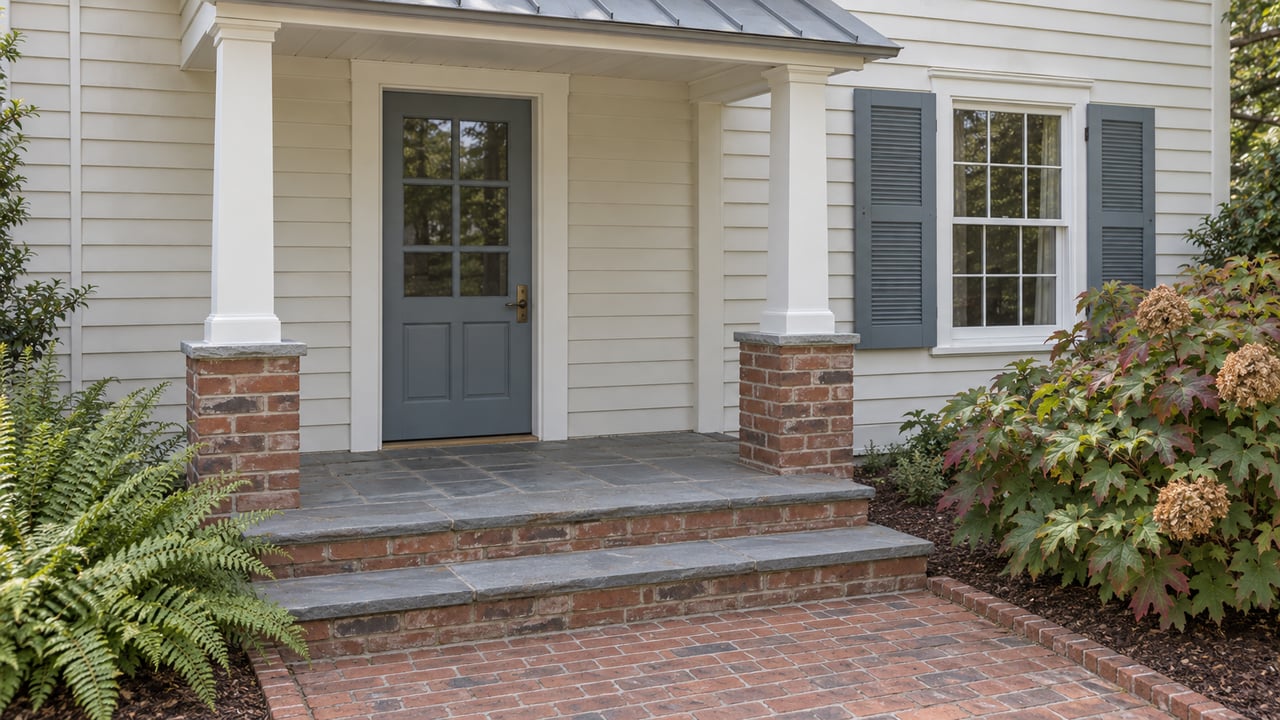
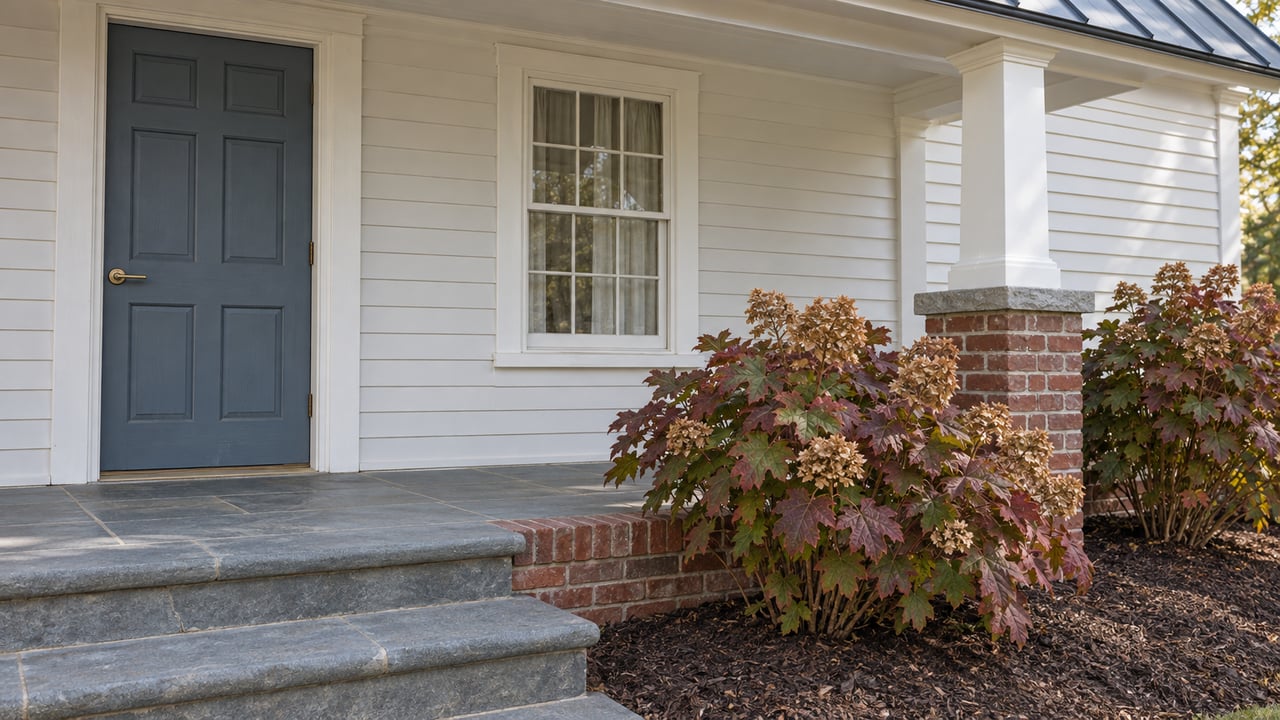
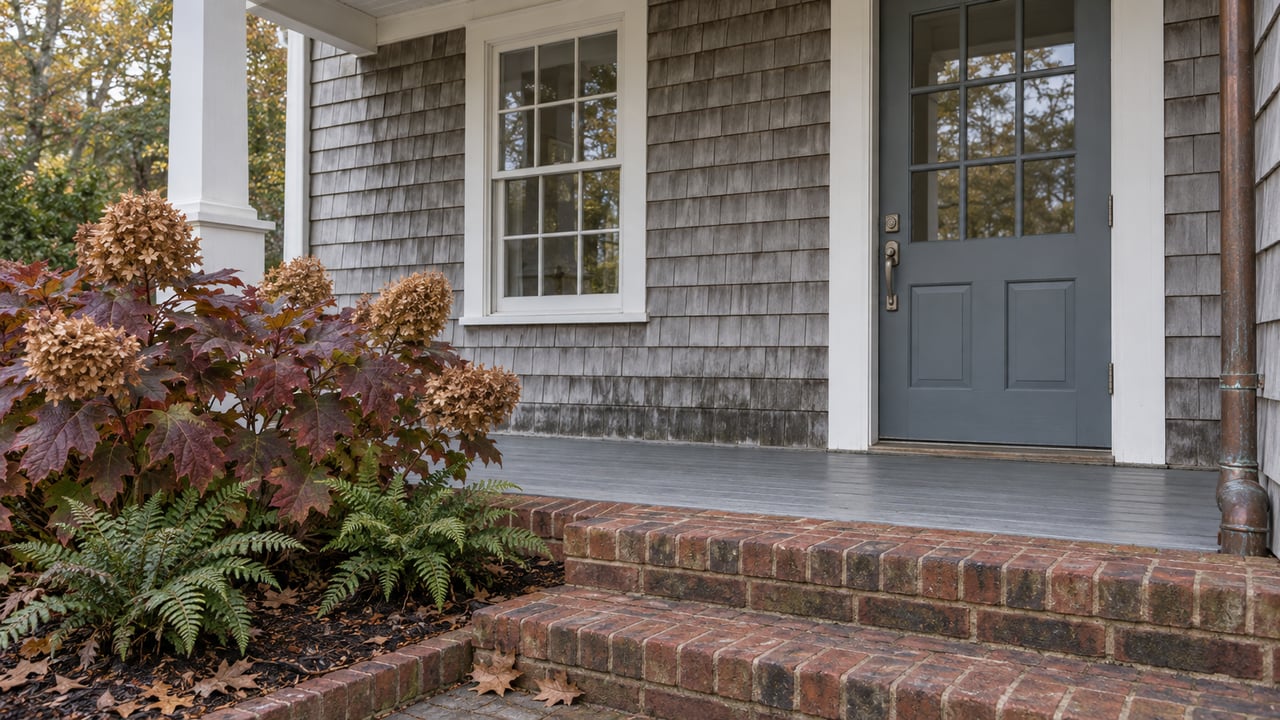
- Curb appeal: fresh mulch, trimmed landscaping, repaired walkways, and clean entry
- Accurate, inviting descriptions that highlight genuine strengths and recent updates
Small, visible improvements can reduce perceived risk for buyers and shorten time to contract.
Seasonality and waterfront nuance
Spring usually brings more active buyers, which can shorten DOM. Late fall and winter can stretch timelines, though serious off‑season buyers are often motivated.
Waterfront, water‑access, and other specialized properties in Severna Park operate in their own lane. They often carry higher prices and a narrower buyer pool. Longer DOM in this segment can be normal and not a signal of distress. If you are evaluating one of these homes, compare it to similar waterfront or water‑privileged listings rather than to entry‑level or in‑town properties.
Reading relists the right way
When you see a property return to market, ask three questions:
- What changed since the last listing? Look for repairs, new permits, or new finishes.
- How did the price move? A meaningful adjustment can reset buyer interest.
- What does the full timeline show? A brief pause for updates is different from a series of relists with no improvements.
As a seller, document updates in public remarks and agent‑only notes so buyers understand the reason behind the history. As a buyer, use the full file to separate cosmetic relists from real changes.
Your first 14 days on market
The opening stretch is your biggest opportunity window. Make it count.
- Launch with best‑in‑class visuals and a compelling story on day one.
- Plan a strong first weekend: open house timing, private showings, and easy access.
- Monitor inquiries daily and respond quickly to feedback.
- Adjust fast if you are missing the mark on traffic.
Treat the launch like a product release. Attention is highest at the start, so show your best version of the home on day one.
When your listing lingers
If your DOM is stretching beyond expectations, take a breath and reset with purpose.
- Re‑evaluate the pricing strategy against the newest solds and pending comps.
- Refresh presentation: targeted repairs, paint, lighting, and re‑staging.
- Update marketing assets: new photos, floor plans, and description.
- Consider timing: if your buyer segment is seasonal, adjust your plan accordingly.
Be clear about what changed and why. Then relaunch with confidence and measurable upgrades.
Get local, property‑specific advice
DOM is a helpful guide, but context is everything. The right move depends on your property type, price band, condition, and season. If you want a property‑specific read on timing and a plan to reduce your days to contract, reach out to a local expert who blends data with presentation. For tailored guidance on pricing, staging, and distribution, connect with Liz Dooner.
FAQs
What does Days on Market mean for a Severna Park listing?
- It is the number of days a home has been publicly for sale; you may see Listing DOM, Cumulative DOM for relists, or Days to Contract, which each tell part of the timing story.
How do relists affect DOM and buyer perception in Severna Park?
- Some portals display a relist as “new,” but the MLS can still show a longer cumulative timeline; buyers and agents often check full history, so repeated relists without real improvements can hurt credibility.
Is a long DOM always a red flag in Severna Park?
- Not necessarily; it often points to pricing or condition, but it can reflect seasonality, a niche property type, or a prior contract that fell through, so review price history and disclosures.
How can pricing shorten DOM for my Severna Park home?
- Pricing at or slightly below market expectations captures early demand and reduces time to offer, while overpricing tends to stretch DOM and push you toward later price reductions.
What presentation upgrades help reduce DOM most?
- Professional photos, clear floor plans, decluttering or staging, curb appeal improvements, and fixing visible maintenance items usually increase showings and speed up offers.
How should buyers use DOM when making an offer in Severna Park?
- Treat short DOM as a sign of competition and prepare a strong, clean offer; for longer DOM, use the history in negotiations but verify condition and permitting through inspections and records.