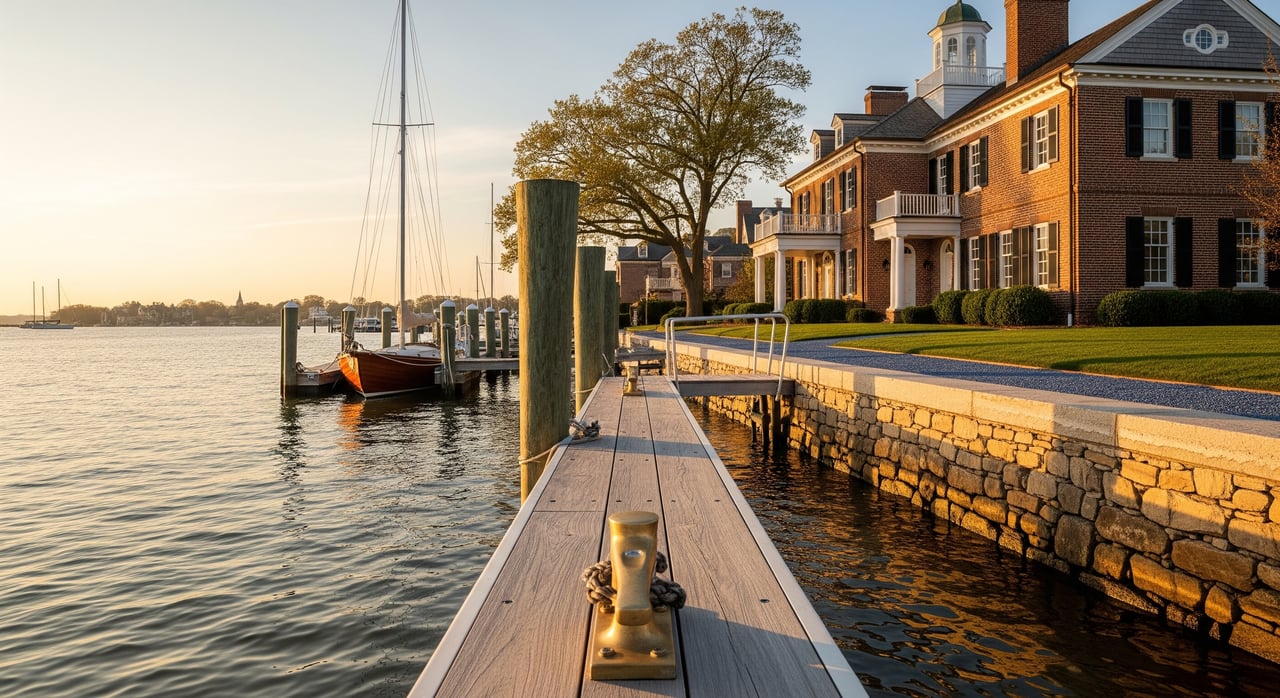
Do you picture mornings on a quiet pier, a latte in hand, watching masts sway as the sun lifts over the Harbor? If so, the Annapolis waterfront might feel like your place. You want walkable streets, easy access to the Bay, and a neighborhood rhythm that shifts with the tides and seasons. This guide gives you a clear look at daily life, key neighborhoods, boating access, and smart buyer steps, so you can decide if the waterfront fits your lifestyle. Let’s dive in.
The waterfront rhythm
Mornings: calm water and easy walks
Early mornings are peaceful along City Dock, also known as Ego Alley. You can stroll the harbor, watch skippers prep for a sail, or launch a paddleboard from small public ramps. Historic side streets are quiet until shops open mid-morning, and joggers loop along Spa Creek before boat traffic picks up.
Midday: boats, boutiques, and lunch spots
By noon, the waterfront hums with sailing lessons, day cruises, and dockside meetups. Visitors and locals browse small galleries and boutiques in the historic district. Parks near the water make it simple to picnic, walk a dog, or watch a regatta glide past.
Evenings: sunsets or event energy
Evenings can be as low-key or lively as you like. You might catch a sunset from a private pier or join the boat-watching scene at City Dock. On event days, such as boat shows or Naval Academy weekends, expect more music, crowds, and traffic, especially in warm months.
Weekly and seasonal shifts
Your week may include a farmers market, a marina workday, and a live music night. Summer is busy, with boating in full swing. Fall brings major boat shows and maritime events. Winter is quieter, with more space on the docks and easier restaurant reservations.
Neighborhood feel and walkability
Historic district and City Dock
The downtown historic district is compact and walkable, with dining and retail clustered near the water. Ego Alley offers constant boat-watching and a short stroll to shops. For short trips, walking is often faster than driving, and you will find paid lots and metered parking nearby.
Eastport across Spa Creek
Eastport sits just over the bridge from City Dock. It is a maritime neighborhood with a strong boating identity, a few local dining hubs, and easy walking or biking into town. Many streets enjoy water views or quick routes to marinas and sailing schools.
River corridors and marina communities
As you move up the Severn River or along Spa Creek, you will see a mix of housing types. Closer to the Harbor, you will find historic rowhomes and restored period properties. Farther up the rivers, single-family waterfront homes with docks offer more privacy, but walkability varies by block and sidewalk presence.
Getting around
Downtown and nearby neighborhoods are the most walkable parts of Annapolis. Biking and e-scooters appear in pockets near the core. Public transit exists, but many residents use cars for regional commuting beyond downtown.
Boating access and water life
How you get on the water
You have choices: transient slips at City Dock, private marinas, yacht clubs, and moorings. Slip availability and pricing change with the season, and demand spikes during the fall boat shows and summer weekends. For docking rules and city-managed services, visit the City of Annapolis Harbor operations.
Sailing culture and events
Annapolis promotes itself as a sailing and boating center. Regattas, maritime festivals, and fall boat shows anchor the calendar. The presence of the U.S. Naval Academy adds a unique energy, from ceremonies to game day weekends. For schedules and event impacts, check the U.S. Naval Academy site and Visit Annapolis for citywide calendars.
Tides, weather, and seamanship
Waterfront life follows the tide table. Before heading out, it is smart to review local tides and marine forecasts through NOAA Tides & Currents. Boaters also plan around seasonal storms and occasional post-rain water advisories.
Parks, trails, and beaches nearby
In-town and county parks
Small waterfront parks dot the city, and Quiet Waters Park sits a short drive away with trails and art near the water. For park lists, events, and facility info, use Anne Arundel County Recreation & Parks.
Sandy Point State Park
When you want a beach day or quick launch, many locals head to Sandy Point State Park on the Bay. It offers swimming areas, boat ramps, and wide Bay views. Learn more through the state’s park page at Sandy Point State Park.
What it costs and what to expect
Property types and price premium
You will find historic townhouses with harbor views, condos with marina access, and single-family homes with private piers. Waterfront locations typically command a premium over similar inland homes due to access, views, and limited supply. For current pricing and trends, review local MLS and brokerage reports.
Flood risk, tides, and insurance
Annapolis has low-lying, tidal shorelines. Before you buy, review FEMA flood maps for the property’s zone, elevation, and any Special Flood Hazard Areas. Lenders often require flood insurance in mapped zones, which becomes part of your annual cost. Use the FEMA Flood Map Service Center and plan to confirm elevations with a surveyor.
Permits for piers and shoreline work
Adding or changing a pier, bulkhead, or shore stabilization usually requires city, county, and state permits. Rules cover lengths, setbacks, and environmental impacts. Start with the city’s planning pages and state agencies, and consult the Maryland Department of the Environment for permitting guidance.
Maintenance near saltwater
Salt air and tidal splash increase wear on exterior finishes, metals, and mechanicals. Wooden piers, bulkheads, and docks need periodic repair or replacement. Landscaping near the shore may need erosion control. Budget for routine upkeep and potential storm-related work.
Historic district checks
If a home sits within a historic district, exterior changes often need review to preserve architectural character. Confirm what is allowed before you plan windows, siding, or additions. Local guidelines are designed to protect the look and feel of the neighborhood.
Noise, crowds, and privacy
Waterfront living comes with engine noise, horns, and lively scenes during festivals. Boat shows, maritime events, and Naval Academy weekends increase traffic and visitor numbers. Winters are quieter, so visit at different times of the year to gauge your comfort level.
Parking and commuting
Downtown’s waterfront is walkable for daily errands, but regional commuting often requires a car. Parking near City Dock is a mix of metered spaces and public lots. If you own a boat, plan for car and trailer storage and any marina parking rules.
Environmental quality and water conditions
Chesapeake Bay restoration has improved many measures of water quality, but conditions vary by season and weather. After heavy rains, boaters sometimes adjust plans due to runoff and turbidity. For statewide boating and resource updates, check the Maryland Department of Natural Resources.
How to choose your ideal waterfront
Match lifestyle to location
If you want walk-to-dining and constant harbor activity, focus on the historic district or Eastport. If you prefer privacy, dockage, and a quieter shoreline, consider properties farther up the Severn or Spa Creek. Decide how important walkability, slip access, and event proximity are to your daily life.
Visit at different times
Walk the neighborhood on a weekday morning, a summer weekend, and a quiet winter afternoon. Stand at the shoreline to listen for boat noise and check the view corridors. Talk to neighbors about parking patterns, marina activity, and seasonal rhythms.
Build your due diligence plan
A strong plan helps you buy with confidence. Use this quick checklist:
- Pull the property’s FEMA flood zone and ask your lender about insurance needs. Refer to the FEMA Flood Map Service Center for current maps.
- Confirm finished-floor elevations with a surveyor and compare to base flood elevations.
- Inspect the pier, bulkhead, and shoreline stabilization, including permits and maintenance history.
- Ask the city about any historic district rules for exterior changes.
- Price out routine dock and exterior maintenance for the next 5 years.
- Review tides and typical water levels for the area using NOAA Tides & Currents.
- If you plan new shoreline work, review state guidance at the Maryland Department of the Environment and talk to local permitting staff.
- If boating is central to your lifestyle, monitor event calendars on Visit Annapolis to plan around peak periods.
Culture, institutions, and the local pulse
Naval Academy and city traditions
The U.S. Naval Academy shapes the city’s calendar with ceremonies, parades, and sporting events. These days can be busy near the Harbor, and they add to the area’s maritime identity. Check the U.S. Naval Academy site for key dates that affect traffic and dock access.
Dining and shopping near the water
Waterfront patios and casual seafood counters thrive in warm months. Downtown’s boutique retail clusters near the harbor, which makes it easy to pair a stroll with an errand. Seasonal outdoor dining adds to the buzz when the weather is mild.
Ready to explore waterfront homes?
Finding the right Annapolis waterfront takes local knowledge, clear due diligence, and a plan for presentation if you are also selling. If you want design-savvy guidance and white-glove service from search to close, connect with Liz Dooner. Liz blends boutique, design-led counsel with the reach of Coldwell Banker Global Luxury to help you secure the lifestyle you want on the water.
FAQs
What is daily life like on the Annapolis waterfront?
- Mornings are calm with harbor walks and paddle launches, afternoons bring sailing and lunch crowds, and evenings range from quiet sunsets to lively event energy during peak seasons.
How walkable is City Dock and the historic district?
- The historic core is compact and pedestrian friendly, with most dining and retail clustered near the water, though parking is metered or in public lots and walking is often the quickest option.
How hard is it to get a boat slip or mooring?
- Options include city-managed transient slips, private marinas, and moorings, with availability and pricing changing by season and demand peaking during summer and fall boat shows.
Do I need flood insurance for a waterfront home?
- If the property sits in a mapped Special Flood Hazard Area, lenders often require flood insurance; check the FEMA Flood Map Service Center and confirm elevations with a surveyor.
What permits do I need for a pier or shoreline work?
- Most pier, bulkhead, or stabilization projects require approvals from city or county and state agencies; start with local planning staff and consult the Maryland Department of the Environment for guidance.
Where can I find parks and beaches near the water?
- Quiet Waters Park and small city parks offer trails and Bay views, and many locals visit Sandy Point State Park for beach access and boat ramps.