Walk down Annapolis Street in the last week of August and you'll see it before you can name it: a banner going up outside Bean Rush Cafe, a fresh layer of mulch around the planters at Melvin Avenue, somebody testing a folding table outside what used to be a house and is now, depending on the block, a bagel shop or a boutique. If you've lived here more than a season, you already know what's coming. Oktoberfest is back, and the fact that you know that without checking a calendar tells you something about how this neighborhood actually works.
What most residents don't know, and what the village's own paperwork makes clear if you go looking, is that the group throwing the beer garden and the group that weeded those planters are not the same organization. They share a name that sounds like one thing and are, on paper, two.
Two Boards, One Village
The West Annapolis Business Association runs the commerce side. It's the group behind Oktoberfest and the annual visit from the Clydesdale horses, and its stated job is to support local businesses and represent the neighborhood to the city, county, and state. That's WABA, and its website is where you'll find the Oktoberfest details each year.
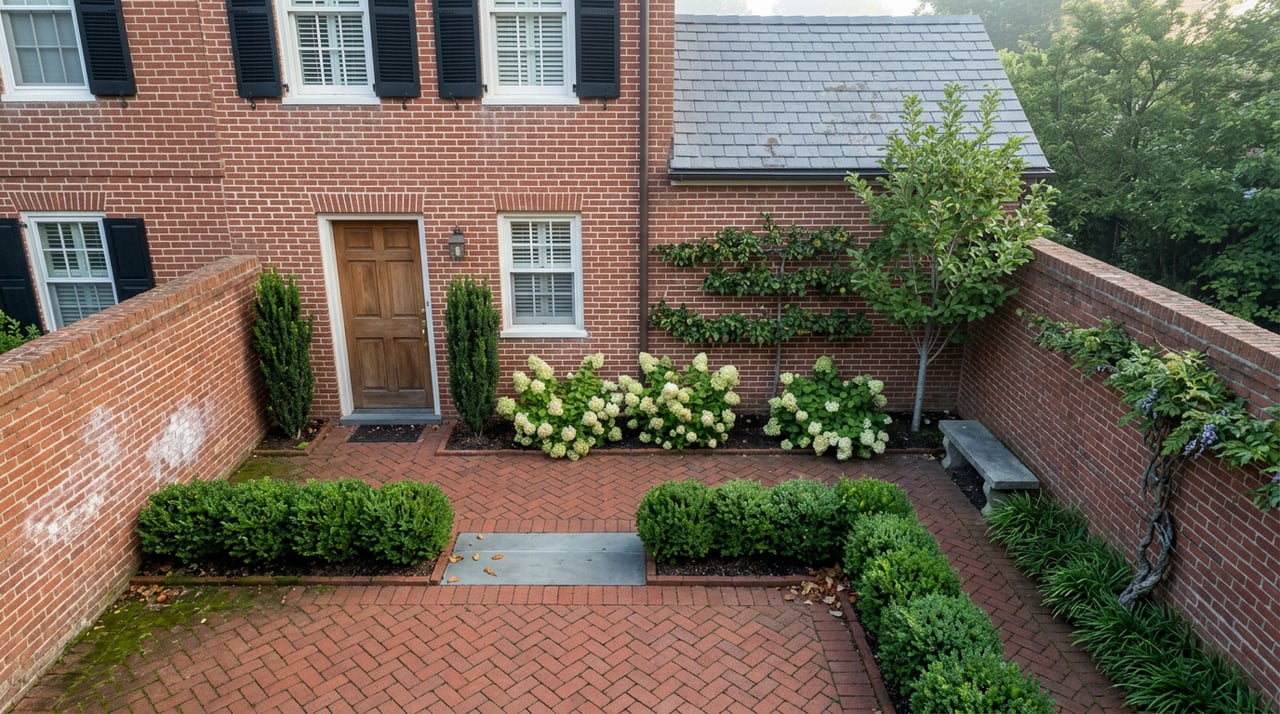
A separate group, the West Annapolis Civic Association, handles what you might call the physical upkeep of the place: a Beautification Committee that coordinates with the city on common areas, runs a spring event called Greenscape Day, and maintains a specific list of small public spaces. That list is not vague. It names Lower Tucker Park, Tucker Street Park, Shiley Park, Tolson Street Park, the Annapolis Street end, and the ten planters along Melvin Avenue. There's also a Communication Committee that runs a neighborhood Facebook page and a Social Committee that plans events for adults, kids, and families throughout the year.
So when you notice the planters look sharp in September, that's the Civic Association's Beautification Committee, most likely dating back to Greenscape Day in April. When you see the beer garden signage going up on Annapolis Street, that's the Business Association. Same neighborhood, same shared streets, two different volunteer boards doing adjacent work that most people who live here fold into one mental category: "the neighborhood association."
What's Actually On The Calendar
The headline date for this fall is confirmed. WABA's Oktoberfest runs Sunday, September 27, from 11 a.m. to 4 p.m., with RAR Brewing and Chessie's Wharf returning as the beer garden sponsor, a partnership the association describes as ongoing rather than new this year. Expect local restaurants and food trucks, vendors setting up along Annapolis Street, and the kind of early holiday shopping that lets you check names off a list before Thanksgiving.
| Event | Date | Host / Sponsor |
|---|---|---|
| Oktoberfest | Sunday, September 27, 2026, 11 a.m.–4 p.m. | West Annapolis Business Association, with RAR Brewing at Chessie's Wharf as beer garden sponsor |
| Clydesdale visit | Annual, date set closer to the event | West Annapolis Business Association |
| Greenscape Day | Each April | West Annapolis Civic Association, Beautification Committee |
The Clydesdale visit is the other recurring fixture WABA points to as a signature event, though the association hasn't posted a fixed date for it the way it has for Oktoberfest. If you've caught it in past years, you know it's worth watching for as fall settles in.
The Storefronts Are Houses, Which Changes How The Street Reads
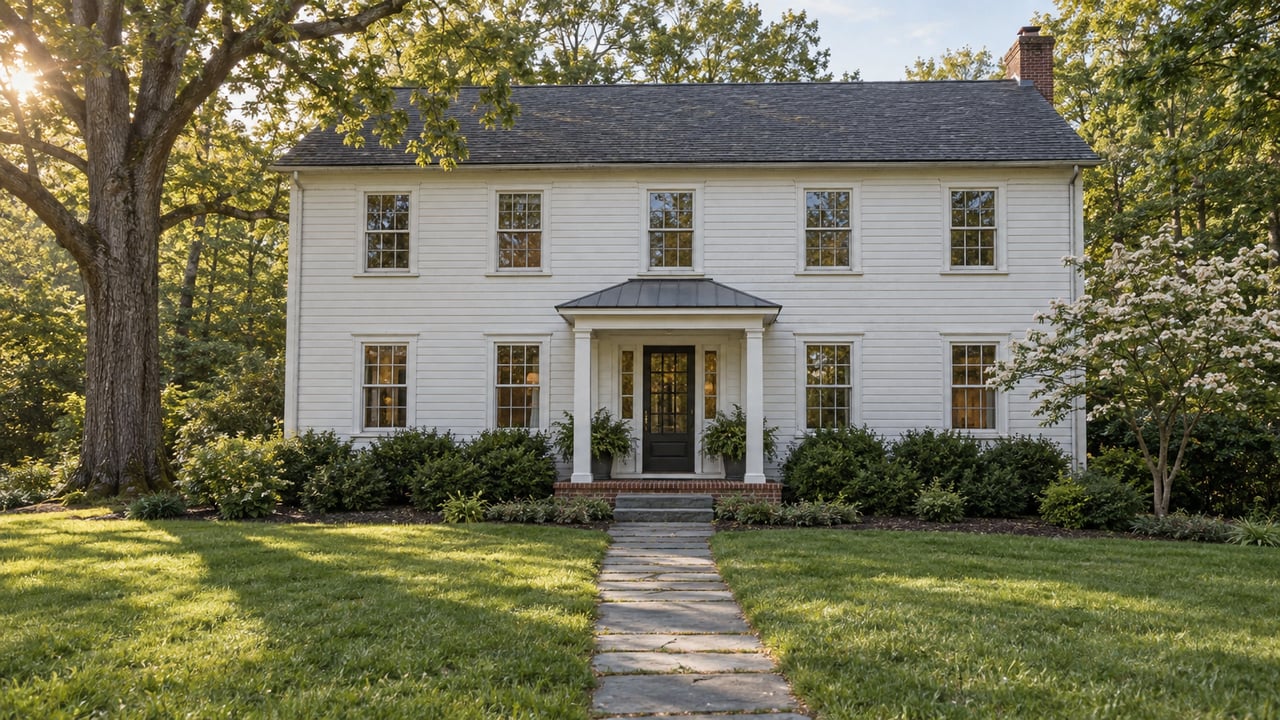
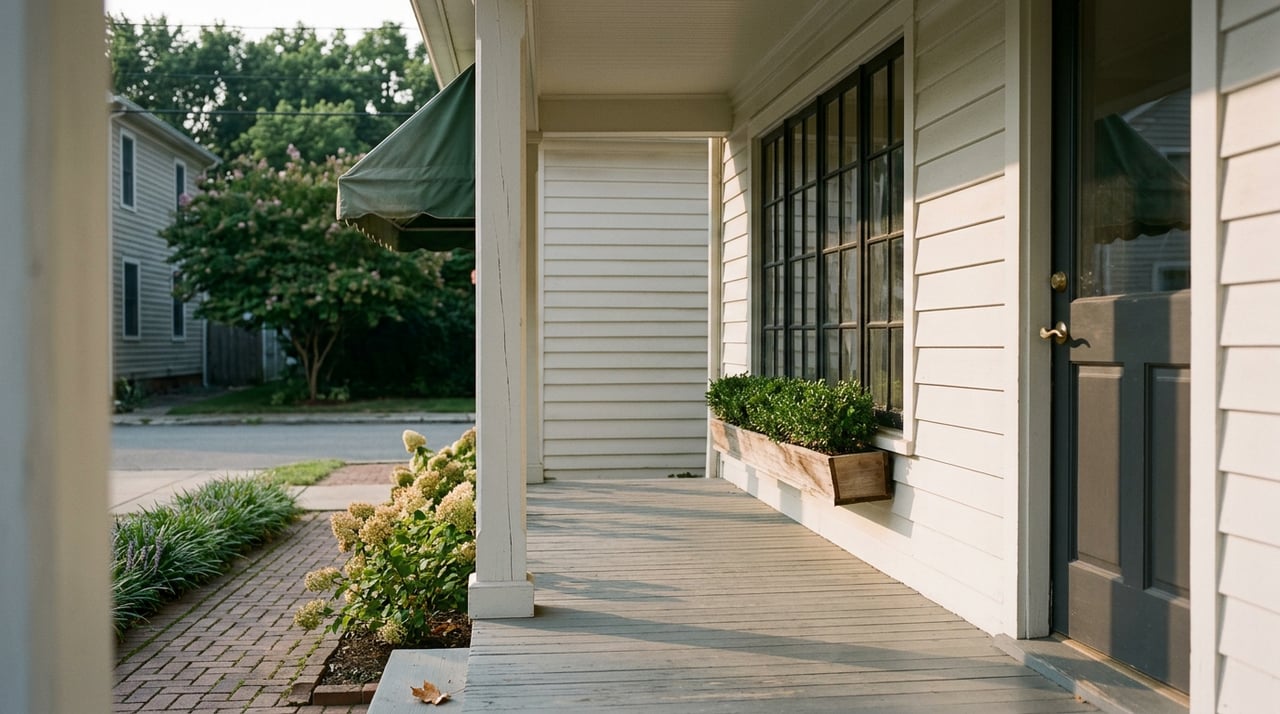
Here's the detail that explains why West Annapolis feels different from a shopping strip even though it functions like one. Bean Rush Cafe, the coffee shop that anchors a lot of morning routines here, operates out of what neighbors and reviewers describe as an old home at 112A Annapolis Street rather than a purpose-built storefront. Naval Bagels, Always Ice Cream Company, Rutabaga Juicery & Eats, the boutique Wrabyn, and Bon Vivant Antiques all sit along the same short stretch, in buildings sized and set back like the houses around them rather than like a strip of retail construction. McNelly Optical, the independent, family-owned optician on the street, brings four decades of the same craft to the block through longtime optician Ed Marshall.
That's the mechanism behind the "village" feeling other write-ups reach for without explaining. Downtown Annapolis was built to be commercial from the start, so its storefronts read as storefronts. West Annapolis's businesses are wearing house-shaped clothes, which is why walking the strip feels more like visiting a street of neighbors than browsing a shopping district. It also means the neighborhood's retail health depends on residents treating those businesses the way they'd treat an actual next-door neighbor, because the scale of the street gives you no other cue to do otherwise.
The Small Things Locals Actually Notice
A few details worth knowing if you already call this stretch of Annapolis home:
- The Melvin Avenue planters and the neighborhood's small parks (Lower Tucker, Tucker Street, Shiley, Tolson Street, and the Annapolis Street end) are civic association projects, not city landscaping crews, and they get refreshed each April during Greenscape Day.
- Weems Creek Nursery School, the neighborhood's longtime preschool, has been under the same ownership since 2018, part of the same small roster of family-run institutions that give the area its continuity.
- If you're weighing whether to volunteer for Oktoberfest setup or the Beautification Committee's spring cleanup, you're choosing between two different boards with two different missions, not signing up for the same thing twice.
None of this is complicated once you see it written down. But it's also not the kind of thing that shows up in a general guide to Annapolis neighborhoods, because it requires knowing there are two organizations to begin with, and most outside coverage treats "the West Annapolis association" as a single entity because that's the simpler story to tell.
Why It's Worth Knowing
If you live here, this isn't trivia. It's the difference between thanking the right group when the planters look good in October, knowing which board to approach if you want to get involved, and understanding why a few blocks of Annapolis Street support a coffee shop, a bagel place, an ice cream shop, a juice bar, a boutique, an antiques store, and an optician all within easy walking distance of each other. That density isn't an accident of foot traffic. It's a residential grid that got quietly repurposed one house at a time, held together by two volunteer boards that most residents have never had a reason to tell apart.
Liz Dooner works this stretch of Annapolis block by block, from the historic core through Eastport, Murray Hill, and the West Annapolis grid, and pays attention to the kind of neighborhood detail that doesn't show up on a portal listing. If you're curious what a home along this part of Annapolis Street is actually worth in today's market, or you're weighing a move within the neighborhood you already know, Liz Dooner can walk you through what the current inventory and recent sales actually look like here.