Choosing a second home on the Chesapeake Bay often comes down to one big question: do you want a quieter residential retreat or a walkable harbor-town experience? If you are comparing Edgewater and Annapolis, you are not alone. Both offer water-oriented living in Anne Arundel County, but they serve different day-to-day lifestyles, carrying costs, and ownership goals. This guide will help you compare the two so you can make a more confident decision. Let’s dive in.
Edgewater vs. Annapolis at a Glance
If you are deciding between Edgewater and Annapolis for a second home, the clearest difference is how each place feels and functions.
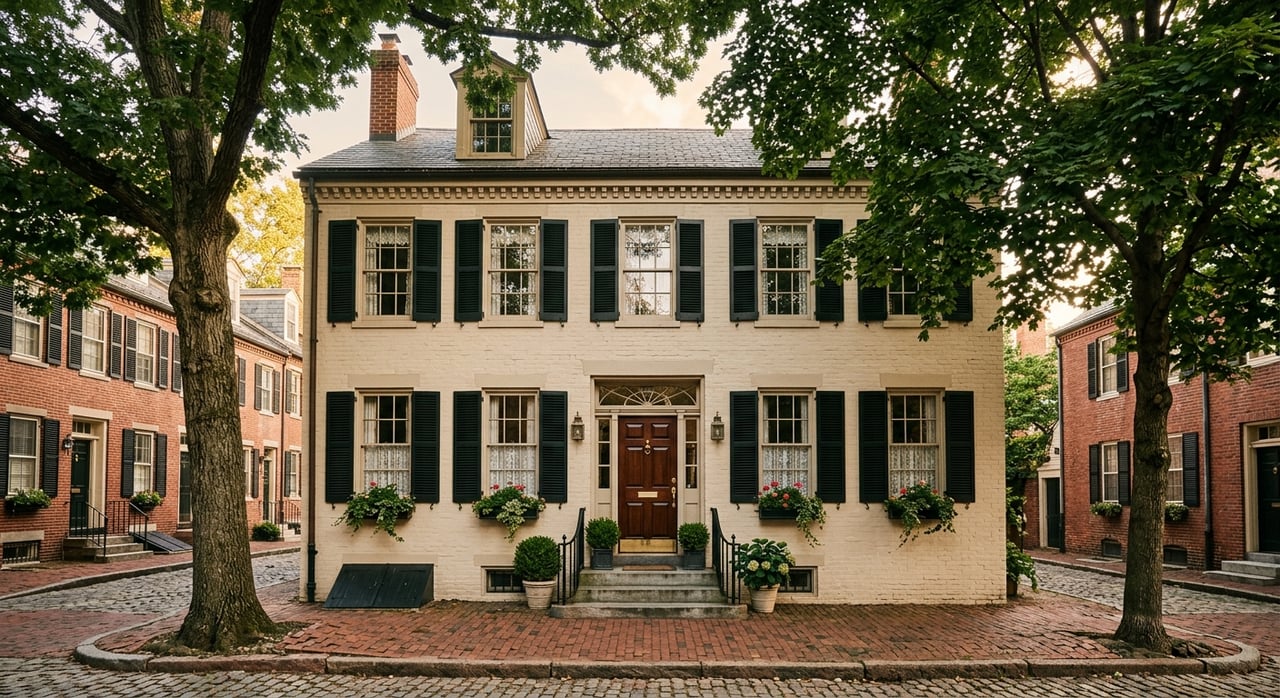
According to Anne Arundel County planning materials, Edgewater and Mayo are mostly waterfront, low-density residential areas shaped by single-family homes, piers, marinas, and nearby parks. In contrast, the City of Annapolis describes its downtown as a one-square-mile National Historic Landmark with brick streets, harbor access, boutiques, sidewalk cafes, and a strong preservation framework.
That means your best fit depends less on which market is “better” and more on how you want to use the property. If you picture weekends centered on privacy, space, and easy access to the water, Edgewater may feel more natural. If you want to spend time walking to restaurants, shops, and the harbor, Annapolis may be the stronger match.
Edgewater Lifestyle and Setting
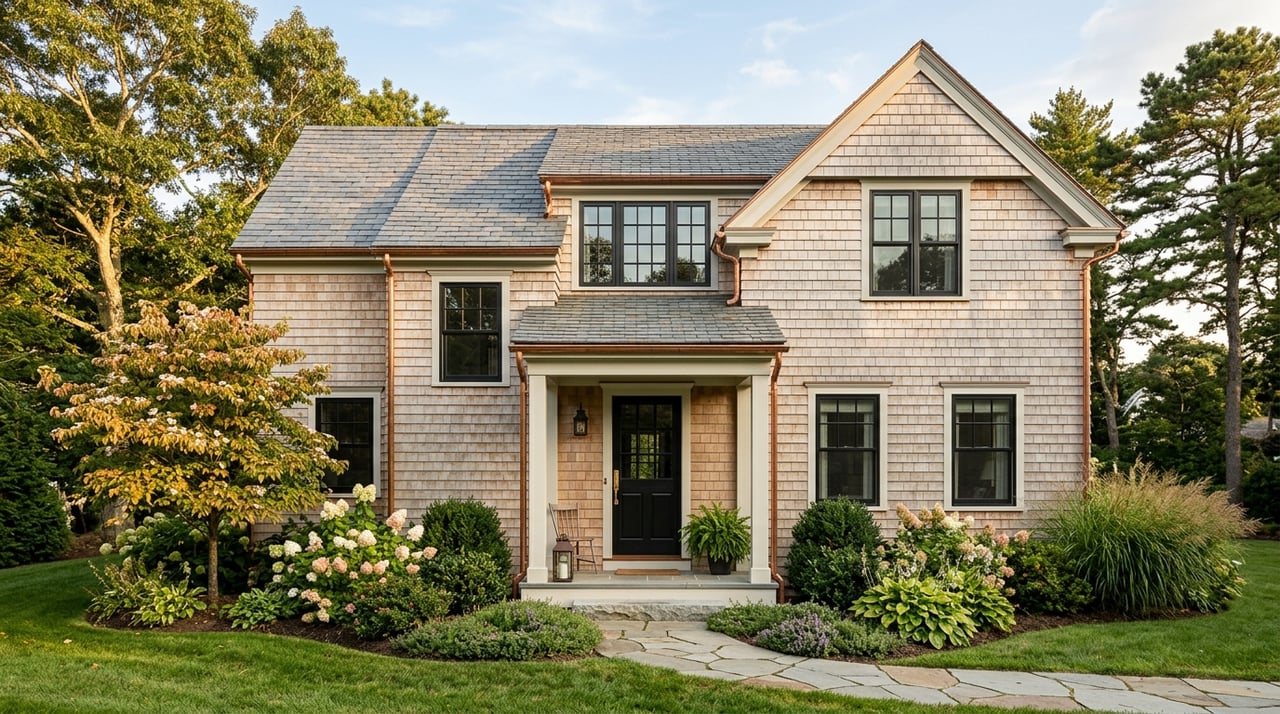
Edgewater is best understood as a residential Bay community rather than a compact downtown environment. The county plan notes that the area is defined largely by low-density housing, waterfront access, and corridor-based commercial activity along Mayo Road and MD 2.
For many second-home buyers, that translates to a more relaxed rhythm. You are more likely to find a setting shaped by neighborhoods, marinas, piers, and open water access than by blocks of shops and restaurants clustered together.
Edgewater Feels More Residential
The county’s long-range planning emphasizes preserving the area’s low-density character and notes that homes are mostly single-family. It also discourages additional townhouse development in the future, reinforcing Edgewater’s identity as a quieter residential option.
If your ideal second home is a place to unplug, host family and friends, and enjoy a more private home base near the water, this matters. The setting may appeal to buyers who want a true retreat rather than a destination built around foot traffic and tourism.
Edgewater Offers Bay-Oriented Recreation
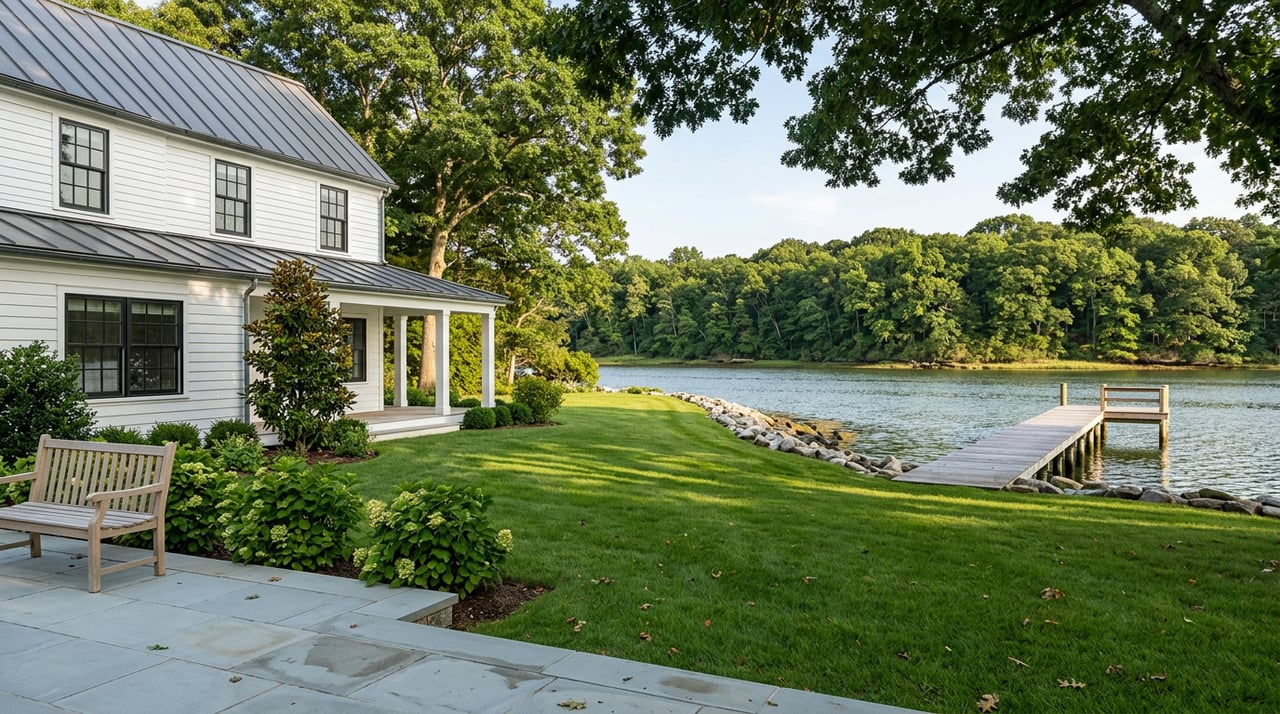
Water access is a major draw. Beverly Triton Nature Park offers shoreline access on the Chesapeake Bay, and Mayo Beach Park sits at the mouth of the South River with a cartop boat launch. County planning materials also note that the area benefits from public and private piers and marinas.
For buyers who plan to spend weekends boating, kayaking, or simply being close to the water, Edgewater supports that lifestyle in a direct way. The experience tends to feel practical and residential, with recreation built into the community fabric.
Annapolis Lifestyle and Setting
Annapolis offers a very different second-home experience. Rather than spreading outward through low-density residential communities, it centers around a compact historic city with harbor activity, mixed-use districts, and a more walkable rhythm.
The city highlights downtown Annapolis business districts as home to historic properties, specialty shops, boutiques, and sidewalk cafes. If you want a second home that makes it easy to step out for dinner, stroll the waterfront, or enjoy an active town setting without getting back in the car, Annapolis stands out.
Annapolis Offers Harbor Energy
For many buyers, Annapolis is as much about atmosphere as housing. The harbor is a central part of daily life, and the city’s Harbormaster oversees moorings, slips, dockage, and bulkhead operations.
The city also notes that the harbor includes Ego Alley, where boaters can dock and dine at nearby restaurants and bars. That formal harbor environment can be a major advantage if you are drawn to a classic Chesapeake waterfront town experience.
Verify Current Dock Access
If immediate dock convenience is high on your list, it is worth doing extra homework. The Annapolis Harbormaster notes that the City Dock Resiliency project will run from 2026 through early 2028, with many slips and some services currently suspended.
That does not remove Annapolis from consideration, but it does make current availability an important part of your search. Buyers who want near-term harbor access should verify what is active now rather than assuming historic patterns still apply.
Dining and Convenience Comparison
One of the most practical differences between Edgewater and Annapolis is how you handle your everyday weekend routine.
In Edgewater, commercial activity is more spread out. County planning describes Mayo Road and MD 2 as the area’s most developed corridors and central business district, with additional limited convenience services in smaller village centers like Riva and Mayo. That setup can work well if you do not mind driving between home, marinas, parks, and errands.
In Annapolis, the dining and shopping scene is denser and more concentrated. The city points to multiple business districts with boutiques, specialty shops, antique stores, and sidewalk cafes, which creates a more immediate and walkable pattern of use.
Which Lifestyle Fits Your Weekends?
A simple way to think about it is this:
- Choose Edgewater if you want your second home to feel more private, residential, and water-centered.
- Choose Annapolis if you want a second home that supports dining out, harbor activity, and easier walkability.
Neither choice is inherently better. The right answer depends on whether your weekends are centered on the house and the water, or on the town and the harbor.
Property Types and Ownership Style
The housing mix also shapes the ownership experience.
In Edgewater, county materials say the area is composed mostly of single-family homes, with some medium-density communities closer to MD 2. That points to a market that may better suit buyers looking for space, privacy, and a more traditional residential environment.
Annapolis offers a broader range of housing types and rental formats. The city’s rental licensing framework covers single-family homes, two-family and multi-family properties, dwellings above commercial or maritime uses, rooms, bed-and-breakfast homes, and hotels or inns. For buyers who want more housing-format variety, Annapolis provides a wider mix.
Annapolis Has a More Active Rental Ecosystem
The city’s 2025 short-term rental report says STRs appear in all eight wards and in nearly every neighborhood, with about 560 advertised units at any given time and 283 licensed STRs as of June 1, 2025. It also reports that about 9% are in multi-family dwellings such as apartments or condominiums.
That does not mean every property is a fit for rental use. It does show, however, that Annapolis has a more layered ownership environment, especially for buyers evaluating part-time use and potential rental compliance.
Carrying Costs Matter More Than You Think
For a second home, annual ownership costs can shape your decision just as much as lifestyle.
According to current Anne Arundel County tax information, unincorporated Anne Arundel County properties pay a total real-property tax rate of 1.089 per $100 of assessed value, while Annapolis properties pay 1.433 per $100. On a $1 million assessment, that works out to about $10,890 per year in Edgewater versus $14,330 per year in Annapolis.
That is a difference of roughly $3,440 annually, before any special districts, exemptions, or other assessments. Over time, that gap can become meaningful, especially if the home is used seasonally.
Short-Term Rental Rules to Know
If you are considering occasional rental income, Edgewater and Annapolis are not equally flexible.
Anne Arundel County requires short-term residential rental registration, allows a host to register no more than two dwelling units, sets a minimum rental period of 24 hours, requires a 24-hour emergency contact for unhosted rentals, and applies use or occupancy tax on stays of up to 120 consecutive days in a calendar year. The county registration form shows a two-year registration fee of $100, according to the county’s use or occupancy tax guidance.
Annapolis is more restrictive. The city says the STR license fee is $400 per year, no one lessee may rent for more than 90 consecutive days, the host must live in the city or use a local property manager with a physical city address, and the STR application must be approved by the relevant condo or HOA. The city also notes an 8% occupancy tax within the county framework through its rental licensing procedures.
What This Means for Buyers
If your second home is mainly a personal escape and you want lower ongoing costs with fewer restrictions, Edgewater appears more straightforward based on current county rules.
If your priority is an in-town experience and you are comfortable with tighter compliance and higher annual carrying costs, Annapolis may still be well worth it. The key is to make the decision with eyes open, especially if rental flexibility is part of your plan.
How to Choose Between Edgewater and Annapolis
If you are still weighing both options, start by asking how you want the home to serve you most of the time.
Choose Edgewater if you want:
- A lower-density, mostly residential setting
- Strong connection to Bay and river access
- A second home centered on privacy and space
- Lower property tax costs based on current rates
- A simpler fit for occasional lock-and-leave use
Choose Annapolis if you want:
- A walkable harbor-town environment
- Easier access to dining, shopping, and downtown activity
- A broader mix of property types
- A more urban, historic waterfront setting
- A second home that prioritizes experience and convenience over lower carrying costs
In many cases, the decision comes down to whether you want your lifestyle anchored by the home itself or by the surrounding town.
Final Thoughts
Both Edgewater and Annapolis offer compelling second-home opportunities on the Chesapeake Bay, but they deliver different versions of that lifestyle. Edgewater leans quieter, lower-density, and more residential, while Annapolis offers a more active, walkable harbor setting with higher costs and more rules around short-term rentals.
If you want help comparing specific neighborhoods, waterfront access, or ownership tradeoffs, Liz Dooner offers thoughtful, high-touch guidance for buyers exploring Annapolis and nearby Bay communities.
FAQs
What is the main difference between Edgewater and Annapolis for a second home?
- Edgewater is generally a lower-density residential area with strong water access, while Annapolis offers a more walkable historic harbor setting with denser dining and shopping.
Are property taxes higher in Annapolis than in Edgewater?
- Yes. Based on current published rates, Annapolis properties have a higher total real-property tax rate than unincorporated Anne Arundel County properties such as Edgewater.
Is Edgewater better for a quiet Chesapeake Bay retreat?
- For many buyers, yes. County planning materials describe Edgewater as mostly waterfront and low-density, which supports a quieter residential second-home experience.
Does Annapolis offer better walkability for second-home buyers?
- Yes. The city describes downtown Annapolis and its business districts as compact, historic, and filled with shops, cafes, and harbor access.
Are short-term rental rules stricter in Annapolis than in Edgewater?
- Yes. Annapolis has a higher annual STR license fee and additional requirements, including local host or property manager rules and condo or HOA approval where applicable.
Should buyers verify current Annapolis harbor slip availability?
- Yes. The city says the City Dock Resiliency project is affecting slips and some services, so current dockage availability should be confirmed directly during your search.