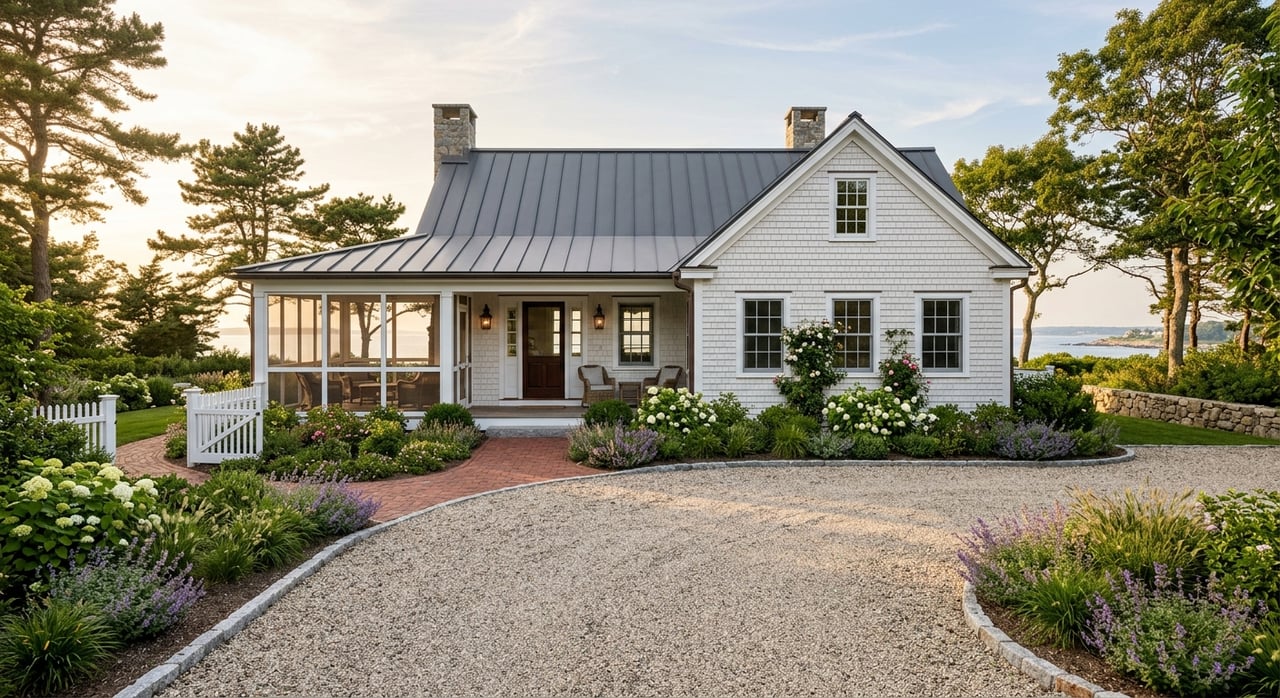
Dreaming about a place across the Bay where weekends feel longer and the pace shifts the moment you arrive? If you live in Annapolis, the Eastern Shore can feel both close and wonderfully different, which is exactly why so many second-home buyers start looking there. This guide will help you compare the Shore’s most relevant towns, understand a few ownership issues that matter more on the waterfront, and narrow your search based on how you actually plan to use the home. Let’s dive in.
Why the Eastern Shore Works
For Annapolis buyers, the Eastern Shore is a natural second-home market because it is accessible enough for regular use but distinct enough to feel like a getaway. The region is the Atlantic Coastal Plain portion of Maryland, east of the Chesapeake Bay and part of the Delmarva Peninsula.
Kent Island is the gateway for most cross-Bay trips, reached by the William Preston Lane Jr. Memorial Bridge. The Maryland Transportation Authority notes that the Bay Bridge uses all-electronic tolling with eastbound-only toll collection, which is a practical detail worth keeping in mind as you plan travel timing and weekend routines.
That access point shapes more than convenience. It often affects how often you use the property, how easily guests can visit, and whether a home feels like a spontaneous retreat or one that requires more planning.
Start With Your Use Pattern
The best second-home search usually starts with lifestyle, not square footage. Before you focus on finishes, views, or dock length, it helps to define how the home will actually fit into your week, your season, and your long-term plans.
Ask yourself a few simple questions:
- Will you use the home for quick one- or two-night stays?
- Do you want boating access to be central to the experience?
- Are you looking for walkability, privacy, or a little of both?
- Will you host friends and family often?
- Do you want a quiet retreat or a town with more dining, lodging, and cultural activity?
For frequent short stays, areas closer to the bridge often make the most sense. For boating-first ownership, marina access and shoreline logistics matter more. If your goal is privacy, nature, and a slower rhythm, some of the farther-shore communities may be a better fit.
Kent Island and Kent Narrows
For many Annapolis buyers, Kent Island and the nearby communities of Stevensville, Grasonville, and Kent Narrows are the first places to consider. They offer the shortest practical trip across the Bay, which can make a major difference if you plan to use the home often.
Kent Island is identified by Visit Maryland as the gateway to the Eastern Shore. Stevensville adds a historic core and is recognized by the Maryland State Arts Council as an Arts & Entertainment District, giving the area a little more texture than a simple pass-through location.
Kent Narrows stands out for buyers who want to be immersed in waterfront activity. The area includes marinas, dock bars, a boardwalk, boat-basin access, charter fishing, and the Chesapeake Heritage and Visitors Center.
Best fit for this area
This cluster tends to work well if you want:
- The easiest recurring trip from Annapolis
- Regular boating and marina activity
- A second home that feels active and waterfront-oriented
- A practical base for frequent weekend use
If your idea of a second home includes slipping away on Friday afternoon and being on the water shortly after arrival, this area deserves a close look.
St. Michaels and Tilghman Island
If you want a classic Chesapeake setting, St. Michaels and Tilghman Island are often strong contenders. They deliver a more destination-like feel while still being realistic for weekend ownership.
St. Michaels is centered on a historic waterfront, with the Chesapeake Bay Maritime Museum occupying former docks and packing-house waterfront on St. Michaels Harbor. The museum notes the town is about one hour from Annapolis by car, and the area offers numerous inns, bed-and-breakfasts, hotels, and resorts, which can be helpful when hosting guests.
Tilghman Island offers a different rhythm. Visit Maryland describes it as a working waterman’s village with charter fishing, historic vessels, seafood, and unique lodging, while Talbot County history materials note its mainland connection through Knapps Narrows and MD 33.
How these two compare
St. Michaels is often the better fit if you want:
- A polished harbor-town setting
- Easy guest accommodations nearby
- Weekend use with dining and town activity
- A recognizable Eastern Shore destination feel
Tilghman Island is often the better fit if you want:
- More seclusion
- A stronger maritime and working-waterfront character
- A slower pace
- A second home that feels more removed from daily life
Oxford and Easton
Oxford and Easton appeal to very different second-home buyers, even though they can overlap in the same search. The key difference is whether you want a quiet waterfront setting or a service-rich home base.
Visit Maryland describes Oxford as a quiet escape with water views around every turn. The Tred Avon River and Town Creek wrap around three sides of town, and the Oxford-Bellevue Ferry remains part of the experience.
Easton, by contrast, is described as the cultural capital of the Eastern Shore. It offers restaurants, lodging, boutiques, galleries, and major arts events such as Plein Air Easton and the Waterfowl Festival.
Choosing between Oxford and Easton
Oxford may suit you best if you value:
- A low-key waterfront atmosphere
- A more intimate town feel
- Quiet visual beauty and water proximity
Easton may suit you best if you value:
- More amenities and services nearby
- A stronger restaurant and arts scene
- A convenient base for exploring the wider Shore
For some buyers, Easton works well as a practical anchor while Oxford represents the more emotionally driven waterfront choice.
Chestertown, Rock Hall, and Cambridge
A few other Eastern Shore towns deserve a place in the conversation, especially if your priorities lean toward history, boating, or nature.
Chestertown is described by Visit Maryland as a colonial port, National Historic District, and small college town on the Chester River. It offers walkable streets, boutiques, cafes, historic inns, and a strong festival calendar, which can appeal to buyers who want a river-town experience with character and activity.
Rock Hall often attracts boating-first buyers. Visit Maryland notes that it has more than a dozen marinas offering mooring and charter services, with Eastern Neck National Wildlife Refuge nearby.
Cambridge and the Blackwater area lean strongly toward nature and privacy. Dorchester County tourism notes that Cambridge is walkable, but Blackwater, the Harriet Tubman sites, and the back roads usually require a car. Blackwater National Wildlife Refuge spans more than 30,000 acres of woodland, tidal marsh, freshwater ponds, and managed cropland, with opportunities for birdwatching, cycling, hiking, and paddling.
Best-fit summary
Consider Chestertown if you want:
- A historic river-town setting
- Walkability and local events
- A classic town environment over a resort feel
Consider Rock Hall if you want:
- Boating infrastructure to be central
- Marinas and charter access
- A harbor-town ownership experience
Consider Cambridge and Blackwater if you want:
- Privacy and nature
- Wildlife-oriented recreation
- A retreat that feels farther from urban routine
Waterfront Rules Matter More Here
On the Eastern Shore, buying waterfront is not only about views and access. It is also about regulation, long-term maintenance, and how the shoreline can be used.
In Maryland, shoreline properties may fall inside the Critical Area, which includes all land within 1,000 feet of tidal waters and tidal wetlands. Maryland DNR and MDE note that pier projects, work below the average high tide line, and many shoreline alterations can require review or permitting.
The state also generally encourages living shorelines rather than hard erosion-control structures where applicable. For you as a buyer, that means any plan involving shoreline changes, dock work, or future improvements should be reviewed carefully before you move forward.
What to confirm on a waterfront property
Before you write an offer, it is wise to look closely at:
- Whether the property is in the Critical Area
- Existing pier or dock status
- Any prior shoreline work or pending issues
- Possible permitting needs for future changes
- How the shoreline condition may affect maintenance decisions
A beautiful waterfront lot can come with meaningful limits, and those limits vary by property and location.
Flood Zones and Insurance Costs
Flood exposure deserves careful attention on any second-home search near the water. Even when a property feels ideal in every other way, insurance costs and lender requirements can materially affect ownership.
FEMA and FloodSmart state that flood maps are used to define flood zones and mandatory purchase requirements. High-risk zones can require flood insurance for government-backed mortgages, and flood risk can change over time due to weather, erosion, and development.
That is why flood review should happen early, not late in the process. You will want to verify the exact flood zone, likely insurance cost, and any lender requirements before making a final decision.
Tax Planning for a Second Home
Second-home ownership comes with a few financial differences that Annapolis buyers should understand up front. One of the clearest is property tax treatment.
Maryland’s Homestead Property Tax Credit is for a principal residence, which means a second home generally will not qualify. If you are comparing your primary home in Annapolis with a weekend property across the Bay, that distinction should be part of your overall budgeting.
This does not mean the purchase is less attractive. It simply means your analysis should reflect the reality of owning two homes with different tax treatment and carrying costs.
Match the Town to the Lifestyle
The Eastern Shore is not one uniform market. Access, boating infrastructure, walkability, natural setting, and shoreline regulation all change from town to town and even from one waterfront parcel to the next.
For many Annapolis buyers, the smartest move is to narrow the search based on rhythm of use. If you want frequent short stays, Kent Island, Kent Narrows, or St. Michaels often rise to the top. If boating is the main event, Kent Narrows, Rock Hall, Tilghman Island, and St. Michaels often stand out. If you want slower days and quiet water, Oxford or Tilghman may feel right. If privacy and wildlife are the goal, Cambridge and Blackwater are compelling.
A second home should support the life you want to live there. The most successful purchase is usually the one that fits your actual habits, not just your wish list.
If you are weighing Annapolis against the Eastern Shore, or trying to identify the right cross-Bay match for your weekends and long-term plans, Liz Dooner offers thoughtful buyer representation rooted in waterfront lifestyle knowledge and concierge-level guidance.
FAQs
What Eastern Shore area is closest for Annapolis second-home buyers?
- Kent Island is the gateway to the Eastern Shore for Annapolis buyers and is often the most practical option for frequent weekend use.
What Eastern Shore towns are best for boating-focused second-home ownership?
- Kent Narrows, Rock Hall, Tilghman Island, and St. Michaels are strong options for buyers who want boating, marina access, or charter activity to be central to ownership.
What should Annapolis buyers know about Eastern Shore waterfront regulations?
- Some waterfront properties fall within Maryland’s Critical Area, and pier work, shoreline alterations, or work below the average high tide line may require review or permitting.
Do Eastern Shore second homes require flood insurance?
- It depends on the property’s flood zone and the loan type, so you should verify the flood designation, insurance cost, and lender requirements before making an offer.
Does a second home on the Eastern Shore qualify for Maryland’s Homestead Property Tax Credit?
- Generally no, because Maryland’s Homestead Property Tax Credit applies to a principal residence rather than a second home.