Trying to decide between Crownsville and Annapolis? At first glance, both put you near the water in Anne Arundel County, but they offer very different day-to-day experiences. If you are weighing space, privacy, walkability, boating access, or convenience, the right choice depends on how you want to live. Let’s break it down so you can move forward with more clarity.
Crownsville vs. Annapolis at a Glance
The simplest way to compare these two areas is this: Crownsville is the choice for space and privacy, while Annapolis is the choice for walkability, harbor access, and city convenience.
That difference starts with scale and planning. Crownsville is a small census-designated place in Anne Arundel County with 1,924 residents and 696 housing units counted in the 2020 Census. Annapolis is a separate city with 40,812 residents in 2020 and an estimated 40,634 in 2025, with its own planning and zoning structure and a more compact historic core.
How the Setting Feels
Crownsville offers a quieter, rural pattern
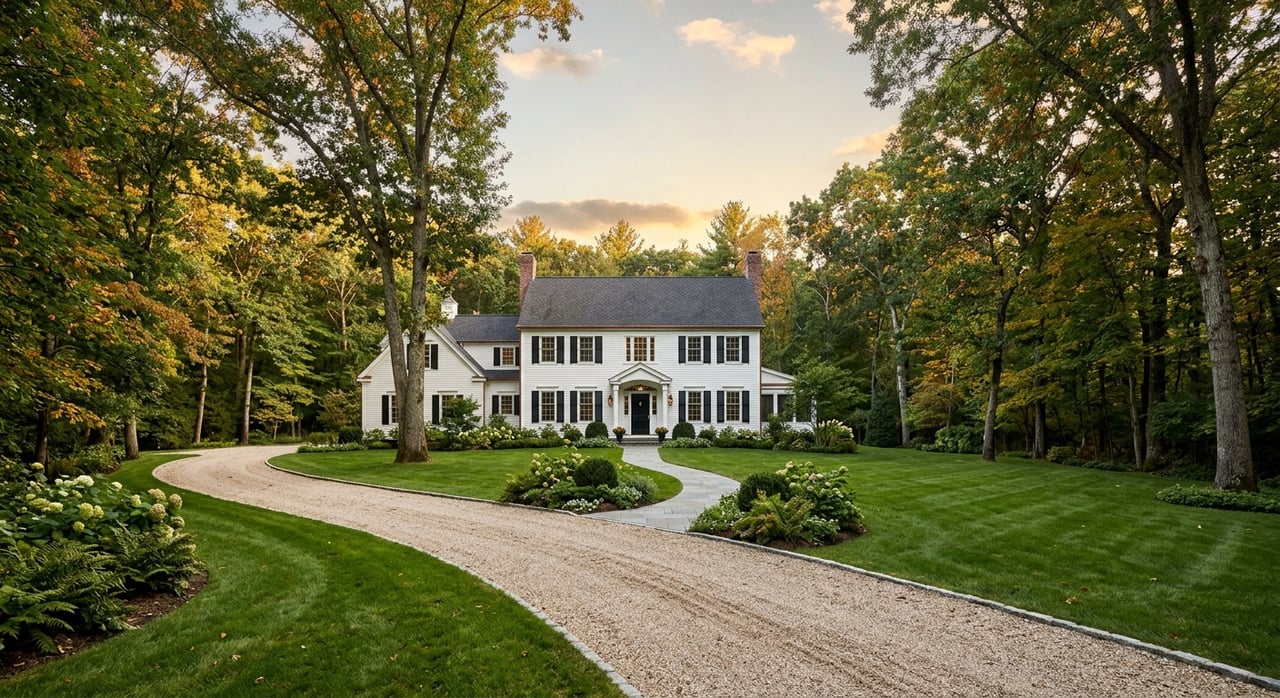
County planning materials describe Crownsville as rural, low-density, and shaped by large-lot properties with significant privately held green space. Much of the area reads as wooded and spread out, with a stronger emphasis on landscape and separation between homes.
This makes Crownsville appealing if you want a setting that feels more tucked away. Rather than being built around a downtown street grid, it is more closely tied to open land, established residential pockets, and a semi-rural rhythm.
Annapolis feels more compact and connected
Annapolis is organized around a historic city center, waterfront neighborhoods, and a tighter development pattern. Within the historic district, the city includes a mix of residential, commercial, mixed-use, professional office, and waterfront maritime zoning.
In practical terms, that means Annapolis feels more layered and active. You are more likely to experience compact blocks, older homes, and a stronger connection between residential areas, downtown activity, and the waterfront.
Lot Size and Housing Style
Crownsville is stronger for larger lots
If lot size is high on your list, Crownsville usually has the advantage. Anne Arundel County zoning for rural districts in the area allows very low-density and low-density single-family development, with minimum lot sizes of 40,000 square feet in both the RA and RLD districts.
That planning framework supports what many buyers notice right away: homes often have more breathing room. If you value privacy, trees, and a property that feels more land-driven than block-driven, Crownsville is often the better match.
Annapolis leans toward smaller lots and older fabric
Annapolis has a much more compact housing pattern. The city’s comprehensive plan shows minimum lot sizes as low as 7,000 square feet in R1, 5,400 square feet in R2 and R3, and 4,800 square feet in R4.
For you, that often translates to a different kind of appeal. Instead of acreage and separation, Annapolis tends to offer historic character, tighter streetscapes, and homes that are more closely connected to the surrounding neighborhood fabric.
Waterfront Lifestyle and Boating Access
Crownsville offers river access with a quieter feel
Crownsville does have meaningful access to the water, but it is not centered on a dense harbor district. Valentine Creek Park provides water access to the Severn River and is used for passive recreation, including fishing, hiking, bird watching, and cartop vessel access.
If you enjoy paddling, natural shoreline access, or being near the river without needing a full marina environment, Crownsville can be a strong fit. Its water story is more park-based and selective than dock-centric.
Annapolis leads for marina and harbor convenience
If boating access is a top priority, Annapolis has the more developed infrastructure. The city’s Harbormaster manages public and private moorings, 1,700 feet of bulkhead, 20 slips at City Dock, more than 17 miles of shoreline, and multiple park docks and street-end landings, including dinghy docks at 22 street endings.
That creates a different lifestyle experience. Annapolis is generally the stronger choice if you want easier access to marina services, moorings, and a more visible harbor presence in daily life.
There is one current factor to keep in mind. The City Dock resiliency project is underway in 2026, and some services and many slips at City Dock are temporarily affected by construction, even though the harbor remains a major amenity.
Commuting and Daily Convenience
Crownsville is more car-dependent
Crownsville’s everyday movement is mainly road-based. County planning materials note limited pedestrian connectivity and very little formal bicycle infrastructure, which reflects the area’s low-density character.
For many buyers, that means driving will be part of most daily routines. If you are comfortable with a car-centered lifestyle and prefer the tradeoff of more space, this may not be a drawback at all.
Annapolis offers more ways to get around
Annapolis provides more transportation options. The city operates fixed-route transit, shuttle service, ADA complementary paratransit, a free downtown circulator, and the Go! Time on-demand service within the Annapolis service area.
For regional travel, MTA commuter buses connect Annapolis with Washington, DC and Baltimore. If you want the ability to walk more, drive less, or use local and regional transit, Annapolis has the stronger setup.
Which One Fits Your Lifestyle?
Choose Crownsville if you want room to spread out
Crownsville often makes more sense if your priorities include:
- Larger lots
- More wooded privacy
- A quieter low-density setting
- River access without a harbor-centered environment
- A home experience that feels more removed from downtown activity
For sellers, the value story in Crownsville is often tied to land, privacy, natural surroundings, and a semi-rural lifestyle that can be hard to replicate closer to the city core.
Choose Annapolis if you want connection and convenience
Annapolis is often the better fit if you are looking for:
- Smaller lots with a more established neighborhood feel
- Historic architecture and older housing stock
- Stronger boating infrastructure
- Easier access to downtown and the waterfront
- More transit and in-town mobility options
For sellers, the appeal often centers on location, historic character, waterfront access, and proximity to the city’s core amenities. Presentation matters here, especially when buyers are comparing lifestyle and design as much as square footage.
A Smart Way to Make the Decision
When you compare Crownsville and Annapolis, try to picture an ordinary Tuesday, not just a weekend. Think about how often you want to drive, how much outdoor space you want to maintain, and whether you are drawn more to privacy or proximity.
It also helps to think in terms of tradeoffs, not winners. Crownsville is not simply “better” than Annapolis, and Annapolis is not automatically “better” than Crownsville. They serve different goals, and the right answer is the one that supports the way you actually want to live.
If you are planning a move in or around Anne Arundel County, working with someone who understands the differences at the neighborhood level can save time and help you avoid a mismatch. For tailored guidance on buying or selling in Annapolis and nearby Bay communities, connect with Liz Dooner.
FAQs
What is the main difference between Crownsville and Annapolis for homebuyers?
- Crownsville is generally better for space, privacy, and larger lots, while Annapolis is generally better for walkability, harbor access, and city convenience.
Does Crownsville have waterfront access?
- Yes. Crownsville has water access through places like Valentine Creek Park on the Severn River, but its waterfront experience is more park-based and quieter than Annapolis.
Is Annapolis better for boating than Crownsville?
- In most cases, yes. Annapolis has more developed boating infrastructure, including moorings, bulkhead, City Dock slips, park docks, and street-end dinghy access.
Are homes in Crownsville usually on larger lots than homes in Annapolis?
- Yes. County zoning in Crownsville includes rural districts with minimum lot sizes of 40,000 square feet, while Annapolis zoning allows much smaller minimum lot sizes in several residential districts.
Which area is easier for commuting without driving everywhere?
- Annapolis is generally easier if you want alternatives to driving because it offers local transit, a downtown circulator, on-demand service, and regional commuter bus connections.
Is Crownsville or Annapolis better for sellers?
- It depends on what makes your property stand out. In Crownsville, buyers may respond to privacy, land, and a natural setting. In Annapolis, buyers may respond more to location, historic character, waterfront access, and proximity to downtown.